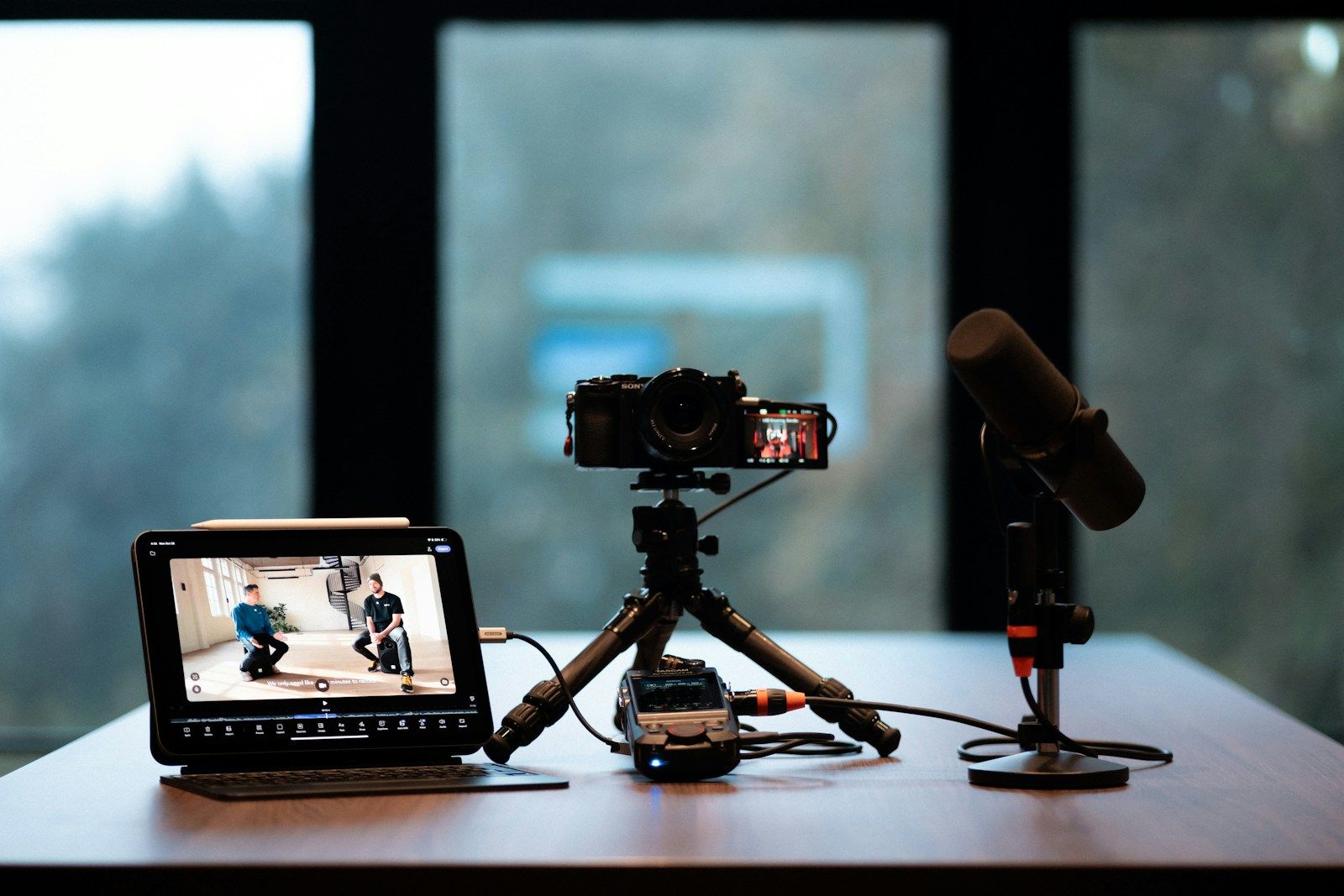
Photo by Detail .co on Unsplash by Detail .co Unsplash License
Plan a batch content day for reels, TikTok, product video, podcast clips and stills in one production-ready location.
A social media content location has to do more than provide good-looking backgrounds. If you want reels, TikToks, product videos, podcast clips and stills in one shoot day, workflow decides the result: short paths, fixed set corners, consistent light, usable audio and clear approvals on set.
This guide is for brands, agencies and creator teams planning to rent a content studio or book a flexible content location. Start with content studios on SetScout, use AI film location search for location variants and read the guide to product shoot locations as a format companion.
A strong content day is planned in blocks: repeatable sets first, product runs next, spoken formats next, then variants and inserts. The right location lowers cost per finished asset because rebuilds, walking time, lighting changes and approval loops get shorter.
Reels, TikToks, product videos and podcasts differ as deliverables, but on set they often use the same resources: camera, light, audio, set corner, styling, products, speaker and approval team. Platform-first planning makes teams jump between looks. Setup-first planning shoots faster.
Ask which assets can be captured with the same light, table, background or audio setup. That becomes a schedule that batches output instead of spending energy on changeovers.
A content location is useful when it supports several formats without a major rebuild. You need at least one vertical video corner, one product surface, one quiet spoken-word area, space for styling and an area for client, laptop, monitoring and quick approvals.
The number of backgrounds matters less than usability. A beautiful room is weak if sound echoes, light keeps shifting, products have no table or wardrobe has to travel through the whole location.
For reels and TikToks you need portrait framing, clear depth, few distracting lines and enough space for movement. Check whether light, camera and background can stay in place while products or outfits change.
Product video has a different rhythm than talking heads. Table height, power, clean surfaces, stands, macro details, hand models, props and quick cleaning decide how many variants can be captured in a day.
For spoken formats, audio leads. A quiet area with controlled reverb, microphone positions, sightlines and space for two to four people is more valuable than another decorative background.
Outfits, make-up, packaging and props need their own zone. If styling happens on set, it blocks camera and light. A side room or clean table often saves more schedule time than another look.
Client, social team and production need a place for laptop, power, Wi-Fi, playback, notes and the asset list. If approvals happen only after the shoot, the batch-day advantage shrinks.
Sort by setup first, then by format. Shoot every asset that uses the same background and light back to back. Change products, wardrobe or audio setup only after that block is complete. This reduces reset time and keeps look and sound consistent.
A practical flow: talking heads and reels in two fixed corners in the morning, product clips and stills at the table around midday, podcast or interview segments in the afternoon, then inserts, close-ups, B-roll and hook variations.
If you are unsure whether a studio or real location is better, compare the production environment first. The article on renting a film studio or dressing a location gives you a cost and control framework.
The location day rate is not the central metric. Cost per usable asset matters more. A more expensive location can be cheaper if it produces more finished clips, product images, cutdowns and podcast snippets without a second shoot day.
Look at changeover time, lighting consistency, audio quality, product logistics, client proximity, parking, lift access, cooling for food products, wardrobe, make-up, data handling and break areas. These details decide whether the day stays productive.
Share the number of deliverables, target platforms, portrait or landscape format, products, speakers, podcast setup, audio needs, lighting wishes, wardrobe count, client approval windows, data handoff and whether parallel work is planned. The more precise the request, the better the host can prepare the space.
SetScout helps you build a shortlist by look and workflow. Compare content studios, real homes, kitchens, showrooms or ateliers by how well they support a batch content day.
Workflow matters more. Three usable setups beat six decorative corners when light, sound, paths and approvals are faster. Many backgrounds help only when they can be used without major rebuilding.
Yes, if the audio area stays quiet and the schedule batches setups. Shoot spoken formats in one block while lights and microphones remain in place. Reels, product clips and inserts can happen before or after that block.
A content studio may not be enough when the look must be location-specific: real kitchen, hotel, workshop, store, street, garden or large movement. Then a real location can be better despite less setup control.
Create the asset list, group it by setup and then search for the right production environment. Start with content studios, compare real locations and decide by output per shoot day, not by the prettiest single corner.
More posts you might be interested in
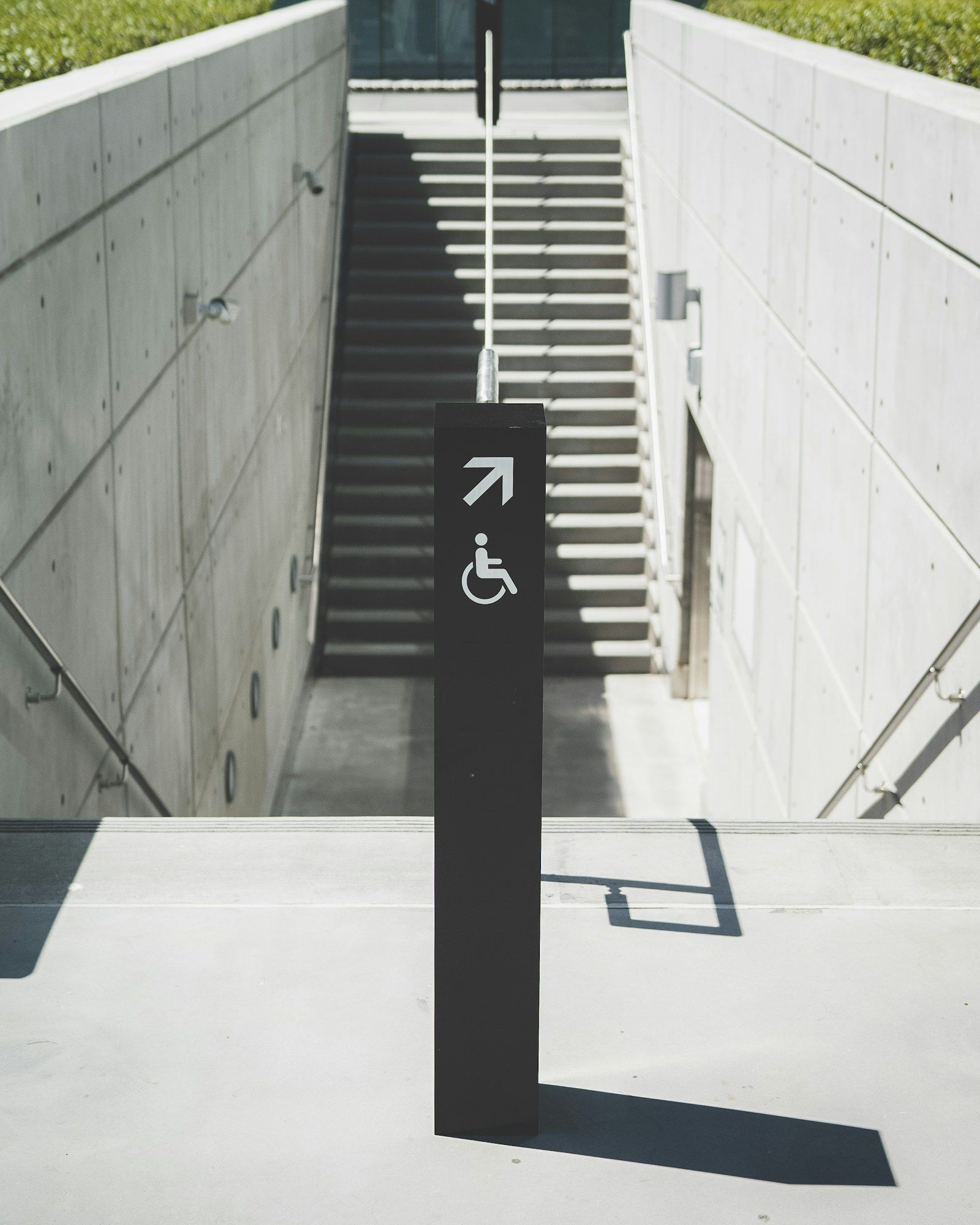
Photo by Joey Banks on Unsplash by Joey Banks Unsplash License
A practical access planning guide for productions and hosts documenting real routes, bathrooms, ramps, holding and limitations before booking.
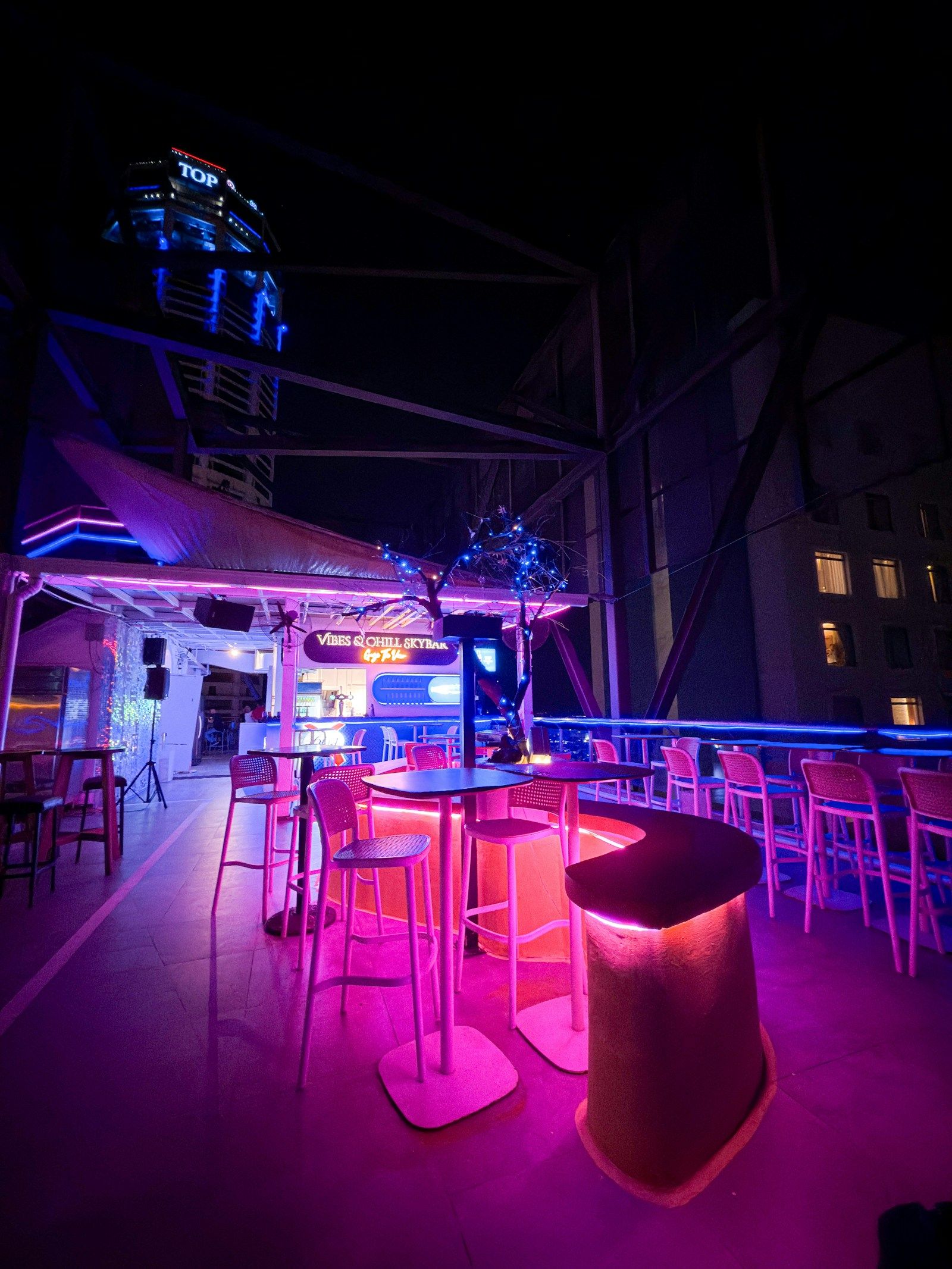
Photo by Ryan Liu on Unsplash by Ryan Liu Unsplash License
How productions should prepare bar, club and nightclub locations for music videos, fashion, commercials and nightlife content.
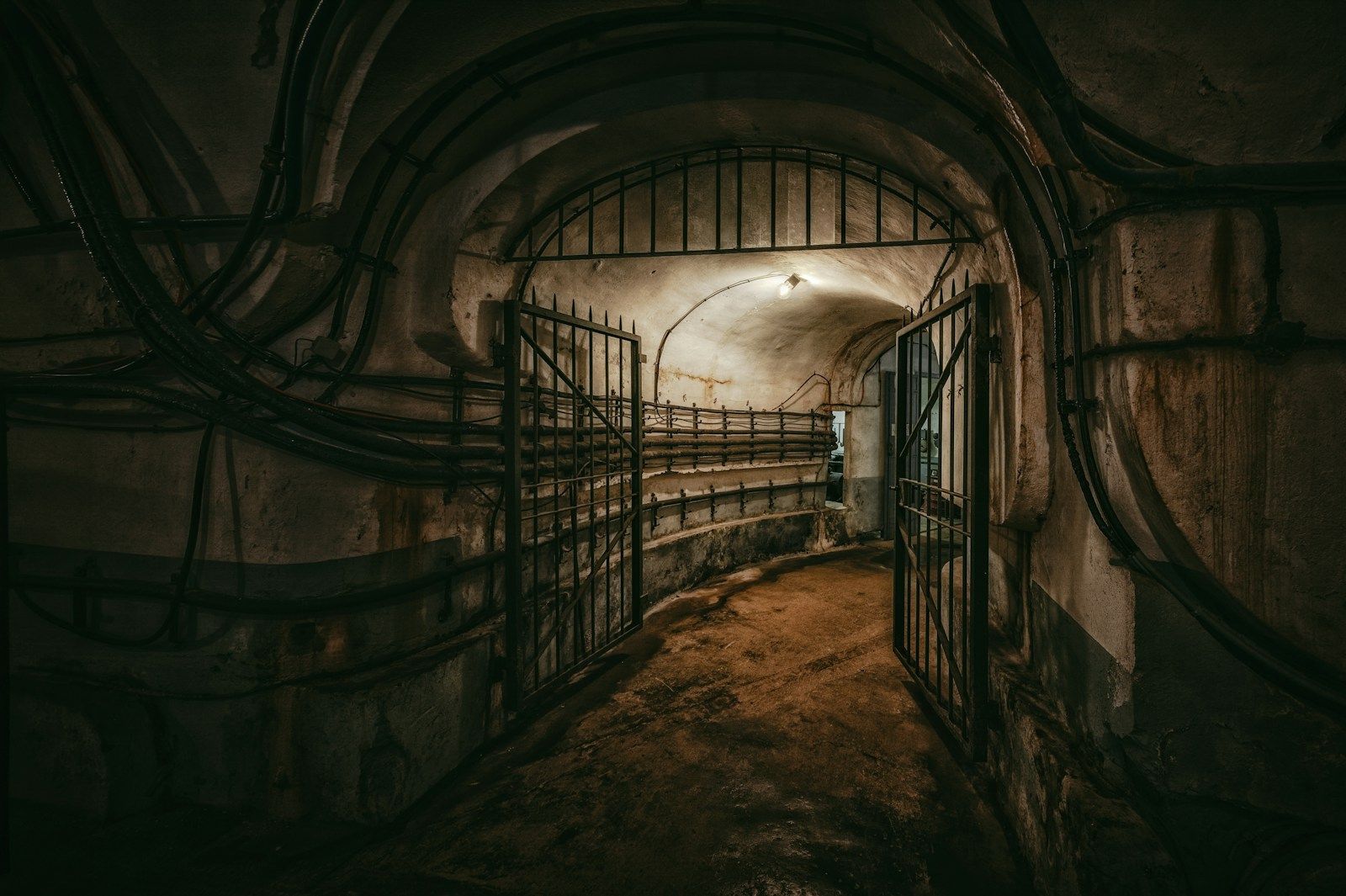
Photo by Peter Herrmann on Unsplash by Peter Herrmann Unsplash License
How productions should assess bunker, lost-place and special-motif locations without creating legal or safety risk.
