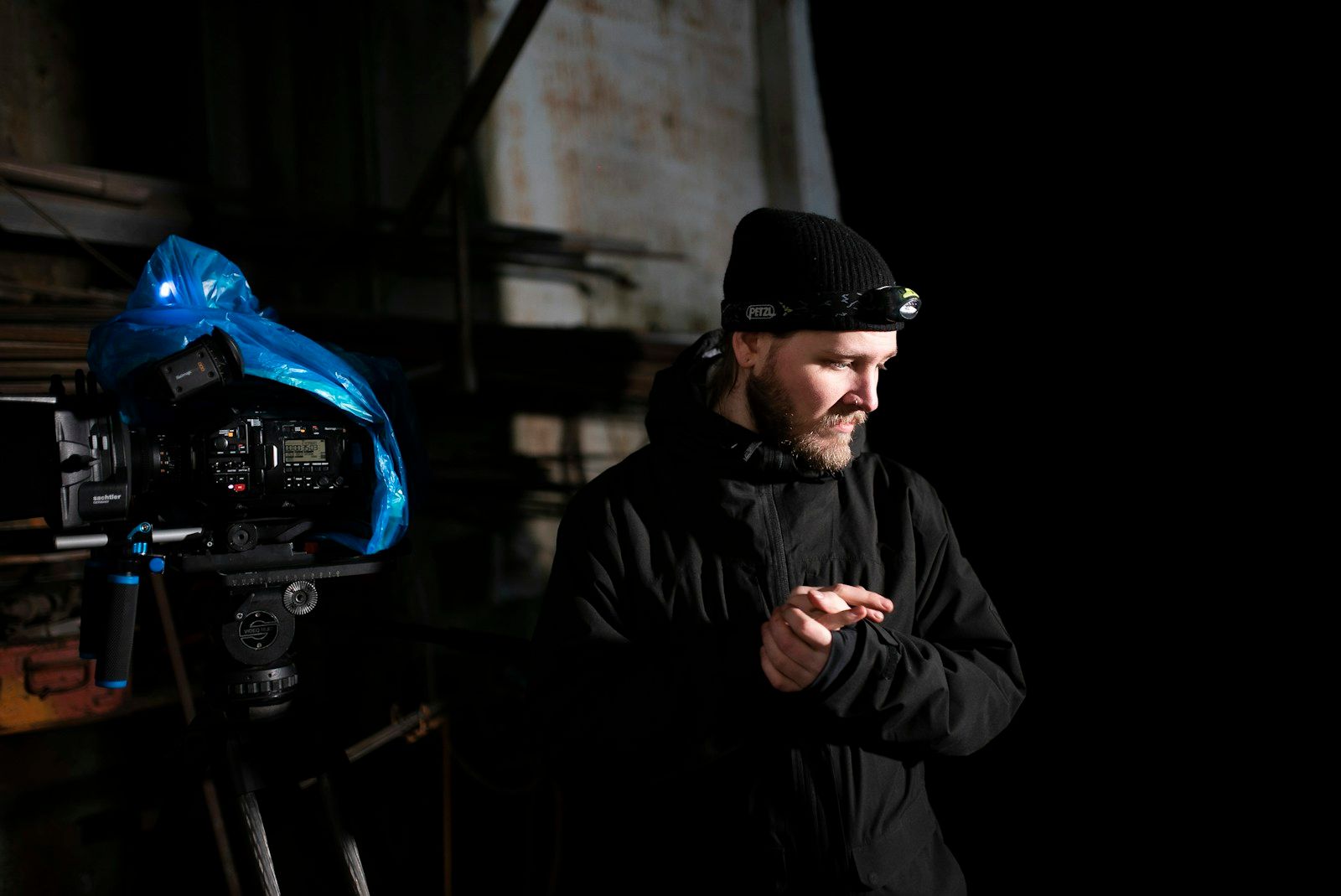
Photo by Levi Stute on Unsplash by Levi Stute Unsplash License
How to plan night filming at private or semi-public locations: quiet hours, neighbor notices, light spill, generators, vehicles, safety, reset and permit checks.
A night shoot is rarely just a later call time. Once lights, generators, vehicles, extras, playback, security or strike happen after quiet hours, the location plan changes. The real question is not only whether the team may film at night. It is who may be affected, who must approve, which public bodies may become relevant and how the location will be reset for the next morning.
Use three existing SetScout guides as the base: the Berlin filming permit overview, the guide to private-property filming permission and the checklist for a complete location request. This article adds the night-shoot layer for private, semi-public and city-facing locations.
Many productions begin with the image: an empty street, a courtyard after dark, a room lit through windows, a rooftop, a garage or a club exterior. For approval, quiet hours come first. The Berlin Brandenburg Film Commission notes that filming between 10 p.m. and 6 a.m. can require approval from the responsible environmental authority. Berlin also describes noise-related approvals for film productions during nighttime. The exact authority and outcome depend on the place, purpose and activity.
In practice, owner permission does not automatically solve noise, light or public-space questions. A closed interior is different from a courtyard facing apartments. A quiet dialogue scene is different from a music video with playback, large fixtures and generators. Stating that difference early makes the request more credible and reduces late-stage refusal risk.
Night work affects people who are not in the production contract. They may see light, hear arrivals, rolling cases, closing doors, radios, playback, generators and strike. Even when a shoot is formally allowed, it can damage the relationship between the property owner, residents and nearby businesses. That is why the request needs a neighbor strategy: which apartments, shops, courtyards, hotels or offices may be affected, who informs them and which phone number is reachable during the shoot?
FilmLA explains that notices of filming are used to inform nearby residents and businesses before permitted activity. Your local process may be different, but the planning principle transfers well: do not leave affected neighbors to discover the shoot at midnight. A useful notice names the date, time window, rough crew size, light and sound impacts, vehicle movement, contact person and strike time.
Night shoots often fail around light rather than camera. Large fixtures, lifts, hard beams, flashing effects or upward spill can hit apartments, hotel rooms, traffic or neighboring properties. The request should translate the lighting plan into plain language: direction, height, expected brightness, shielding, operating time and removal. A host should understand what neighbors will actually see.
The California Film Commission’s host guidance specifically warns that bright lights and noise during night filming can disturb neighbors and should be discussed in advance. For production planning, that means testing existing light, checking whether windows need blackout, keeping escape routes and safety lighting clear, and deciding whether generators or battery systems are needed before the location is confirmed.
Many conflicts happen before action: trucks arrive, cases roll over pavement, doors slam, radios run and generators are tested. A night plan should separate loud and quiet phases. Heavy load-in should happen before quiet hours when possible, generator positions should move away from windows, vehicle moves should be bundled, and strike should not start with the loudest task directly under bedrooms.
If the location touches streets, sidewalks or parking, public coordination may be required. Portland PBOT’s film permit page, for example, treats film-related use of streets and parking as a permit topic. The city changes, but the operational question stays the same: if the crew needs public space at night, it should be planned as a public-space issue, not a private-location detail.
At night, paths, steps, ramps, cables, roof edges, water, construction zones and uneven ground are harder to read. Fatigue, late transport and lower normal public activity add risk. A location that feels simple by day may need different controls after dark: path lighting, cable protection, marked edges, security at boundaries, first-aid access, transport after wrap and a named person with authority to stop unsafe movement.
Strike is part of safety too. If the location must function for tenants, guests, customers or staff the next morning, the team needs a reset list: trash, tape, floors, furniture, blackout, exterior areas, notices, parking, keys, alarms and a documented handover.
Private property is only one layer if the shoot uses public space: no-parking areas, sidewalks, loading zones, police support, smoke, pyrotechnics, drones, loud playback, fixtures aimed toward traffic or vehicle movement beyond the property line. Depending on the city, the relevant office may be environmental protection, traffic, parks, a film commission, fire or police.
Do not hide these items as “small details.” A host, owner or public office can only approve what has been described. A team that explains night work clearly is more likely to get realistic conditions, cost and timing than one that arrives with a generator, lighting lift and thirty crew members on the shoot day.
The request should be short enough to read and specific enough to decide. For night work, include at least:
A night shoot can make a location feel cinematic, empty and controlled, but it does not forgive vague planning. When quiet hours, neighbors, light, vehicles, safety and reset are named early, the request becomes easier to approve, not harder. For hosts and owners, that is the difference between “this sounds risky” and “we understand how you will control the night.”
More posts you might be interested in
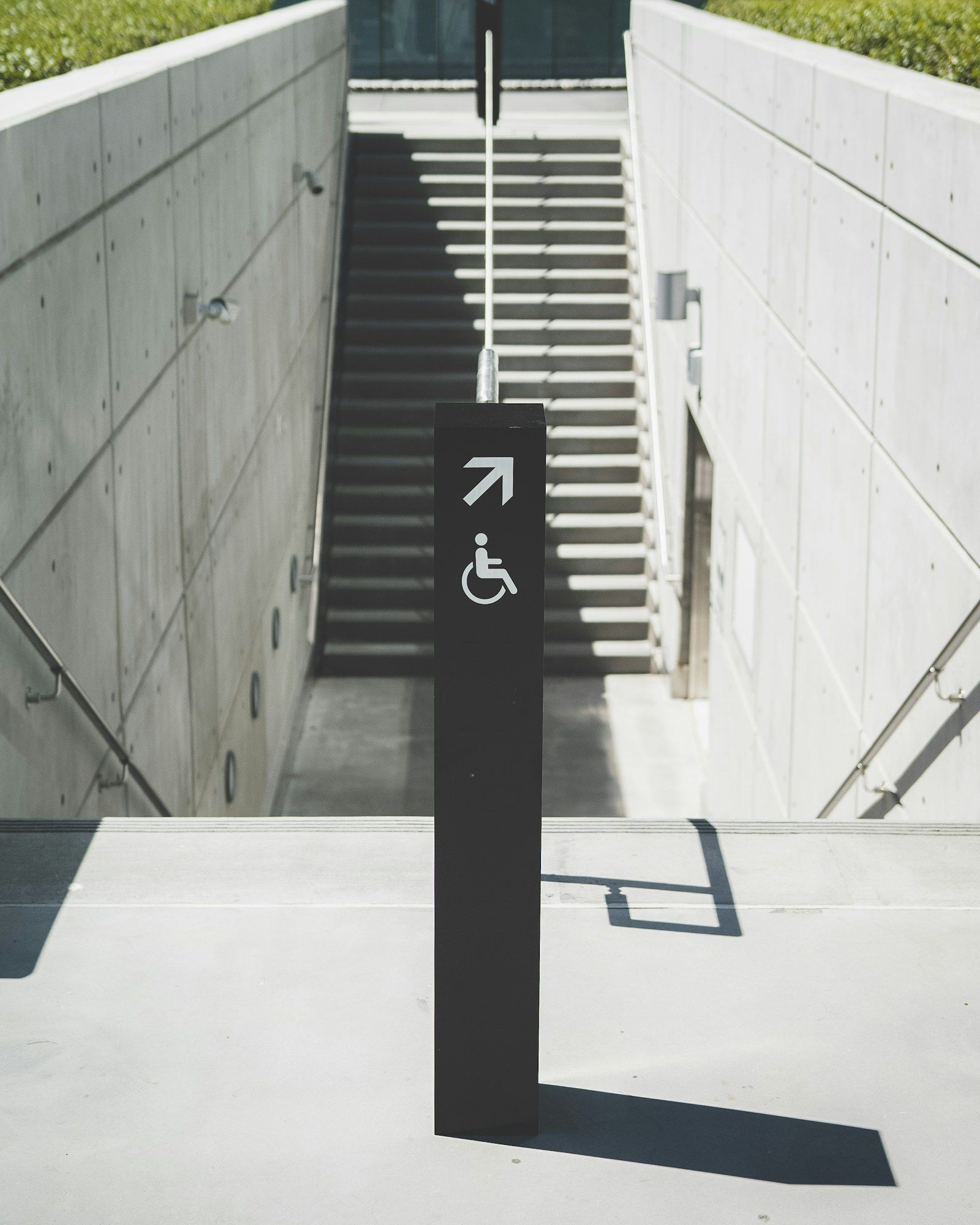
Photo by Joey Banks on Unsplash by Joey Banks Unsplash License
A practical access planning guide for productions and hosts documenting real routes, bathrooms, ramps, holding and limitations before booking.
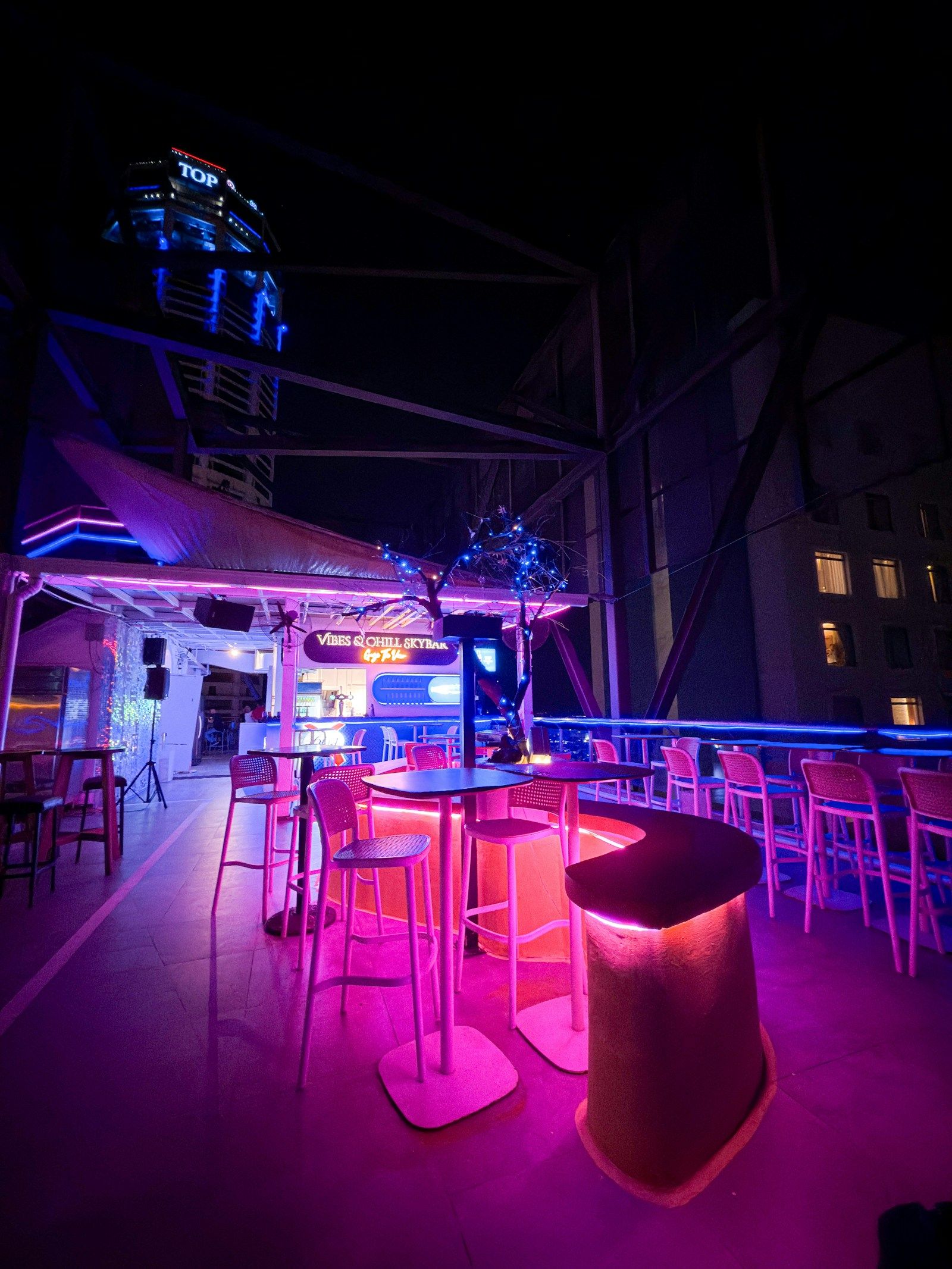
Photo by Ryan Liu on Unsplash by Ryan Liu Unsplash License
How productions should prepare bar, club and nightclub locations for music videos, fashion, commercials and nightlife content.
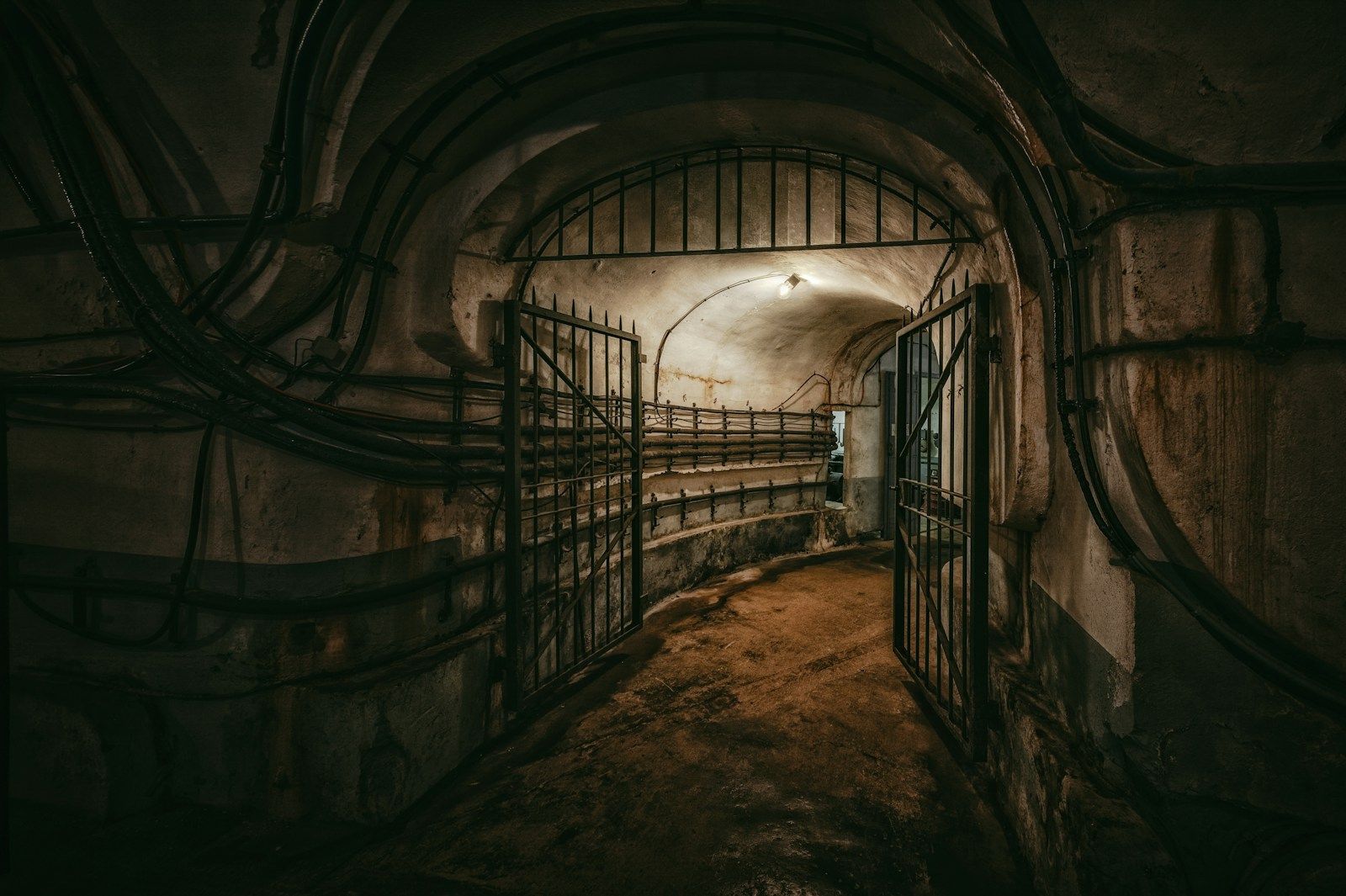
Photo by Peter Herrmann on Unsplash by Peter Herrmann Unsplash License
How productions should assess bunker, lost-place and special-motif locations without creating legal or safety risk.
