Photo by Zoshua Colah on Unsplash by Zoshua Colah Unsplash License
How productions should plan no-parking zones, loading, generators, crew arrival, public curb use and host communication before booking a film location.
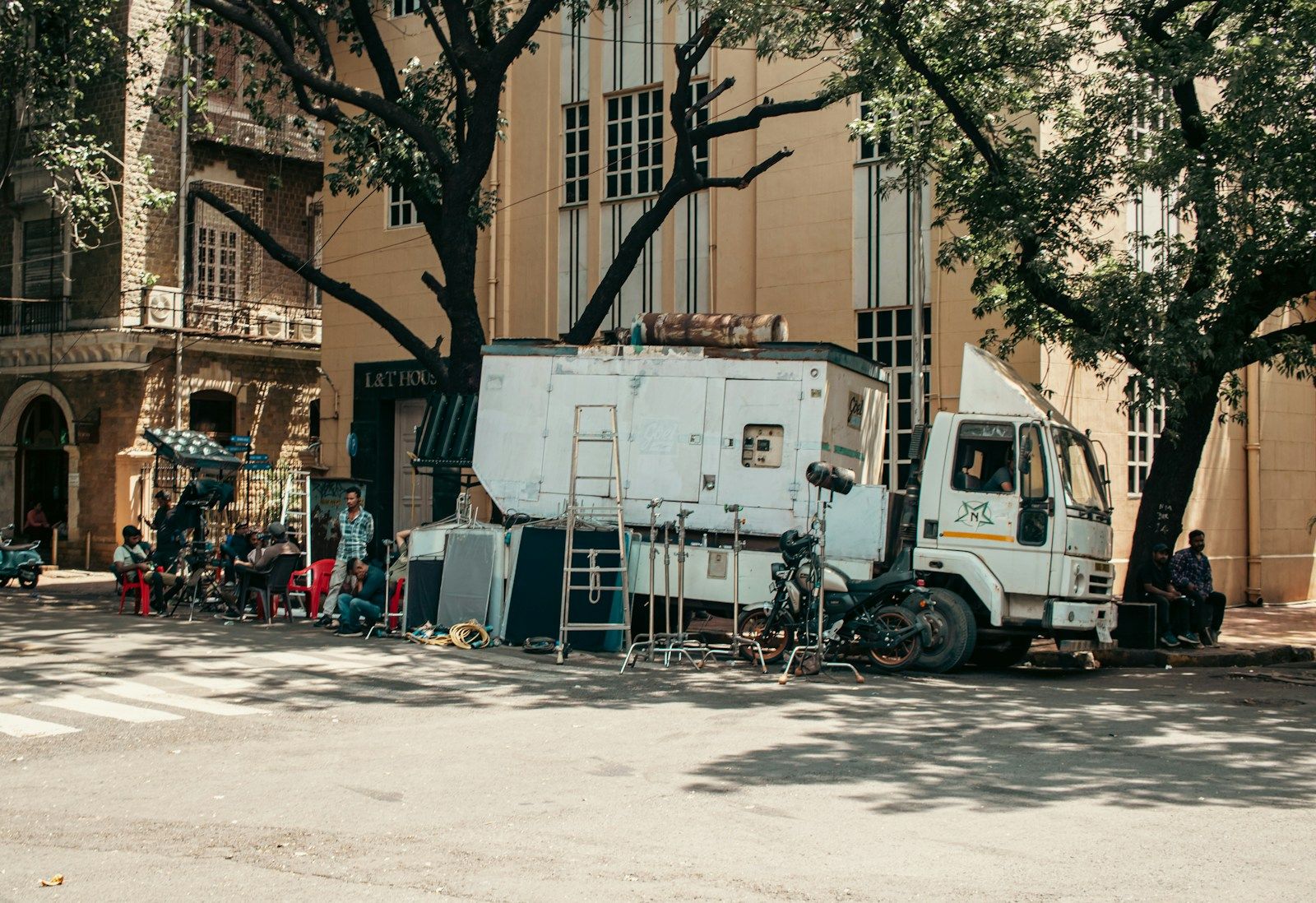
A no-parking zone can look like a small logistics item, but it often decides whether a film location works at all. Camera, lighting, sound, art department, makeup, catering, generator, security and picture vehicles do not simply arrive. If parking, loading and crew arrival are unclear, the production can block sidewalks, neighbors, deliveries, traffic or its own schedule.
Use three existing SetScout guides together: the complete location request, the location recce checklist and the city-by-city filming permit guide for Germany. This article turns those basics into one operational question: what space does the production actually need on the shoot day, and which parts are no longer inside the private location?
The first distinction is simple but decisive. A private yard, garage or company parking lot may be approved by the owner or operator. The curb outside, sidewalk, delivery bay or public parking space is not automatically part of the location. Chicago’s film office states that crew parking is not covered by a filming permit and should be provided off street. The local rule will differ by city, but the logic is useful: crew parking, working vehicles and public curb use are separate questions.
German city pages show the same split from another angle. Munich describes larger public-space filming setups with vehicles or structures as a permit topic, while Stuttgart and Offenbach both point to approvals when public traffic areas are used. For productions, the parking question is not just convenience. It can become a public-space and traffic-control issue.
A serious request separates picture vehicles, camera car, lighting truck, sound, makeup, costume, props, catering, runner vehicle, shuttle and crew cars. They do not all need to sit at the front door. Many conflicts start because productions ask for parking without explaining which vehicles load, which remain working, which must stay quiet and which can move to a unit base after unloading.
The highest-priority space is working access at the location: loading zone, doorway, freight elevator, turning area, cable path and safety distance. Technical vehicle parking comes next. Crew parking comes last. If crew cars occupy the best loading position, that is a planning failure, not a parking shortage.
A generator is rarely just another vehicle. It creates sound, exhaust, cable runs, heat, safety distance and sometimes neighbor issues. Its position should connect to power planning, sound, fire routes and the surrounding community. The same applies to lighting trucks, lifts, catering, toilets and trash.
If these zones sit in public space, list them as separate needs in the permit or city coordination. If they sit on private property, the host still needs to know which driveways, fire lanes, rolling doors, loading bays or customer spaces will be blocked.
Many shoots lose the first hour because everyone arrives at once: camera searches for loading, makeup is at the wrong entrance, catering blocks the ramp, background talent has no holding point and the host receives ten separate calls. A no-parking zone only solves part of that. It needs an arrival plan: who arrives when, where short stops happen, who may remain, who gets redirected and who explains the setup on site.
Community-facing film offices treat this as a behavior issue as much as a permit issue. New York’s film code of conduct tells crew and parking personnel not to block access to businesses and residences and to treat the public respectfully. Signs and cones do not replace a visible, calm production contact at the boundary.
No-parking signs or notices create planning confidence only if they are requested, posted, documented and checked correctly. Timelines and posting rules vary by city. Daly City says streets used for no parking due to filming must be posted 48 hours before call time. Do not copy that number blindly into another jurisdiction; use it as a reminder that signage has a process and a deadline.
Production should define who checks the zone the evening before, who contacts the city or signage vendor, who speaks with parked drivers, who avoids unauthorized towing decisions and who tells the host if the space is not clear. A no-parking zone is not permission to pressure people at the curb.
A host or owner can only evaluate logistics that have been described. For parking, loading and crew arrival, include at least:
A location is production-ready only when people, gear and vehicles can arrive, work and leave cleanly. The no-parking zone is one tool, not the whole plan. The real plan covers private space, public curb, generators, loading paths, crew parking, neighbors and reset. Clarify those before booking, and the shoot day loses one of its most expensive failure points.
More posts you might be interested in
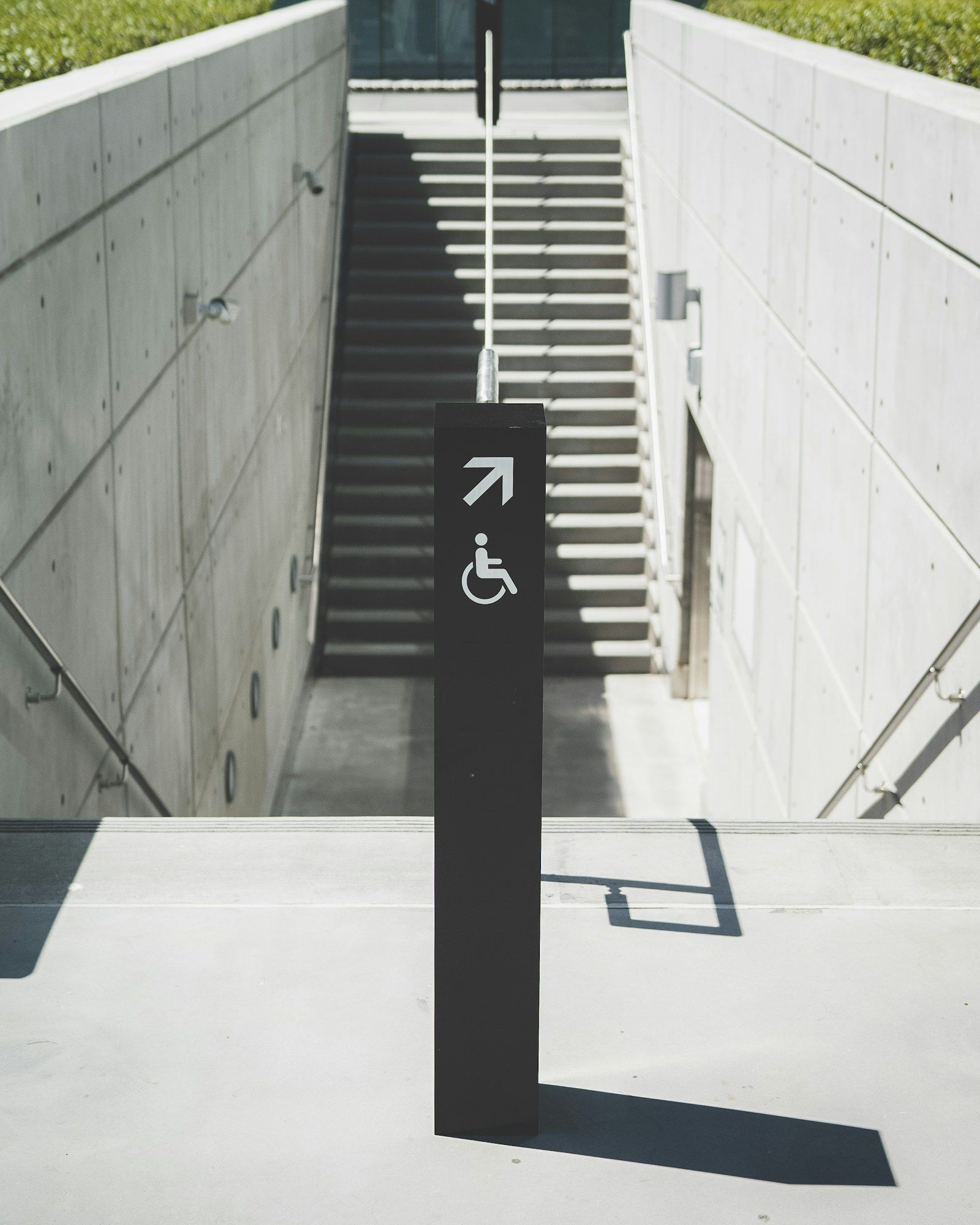
Photo by Joey Banks on Unsplash by Joey Banks Unsplash License
A practical access planning guide for productions and hosts documenting real routes, bathrooms, ramps, holding and limitations before booking.
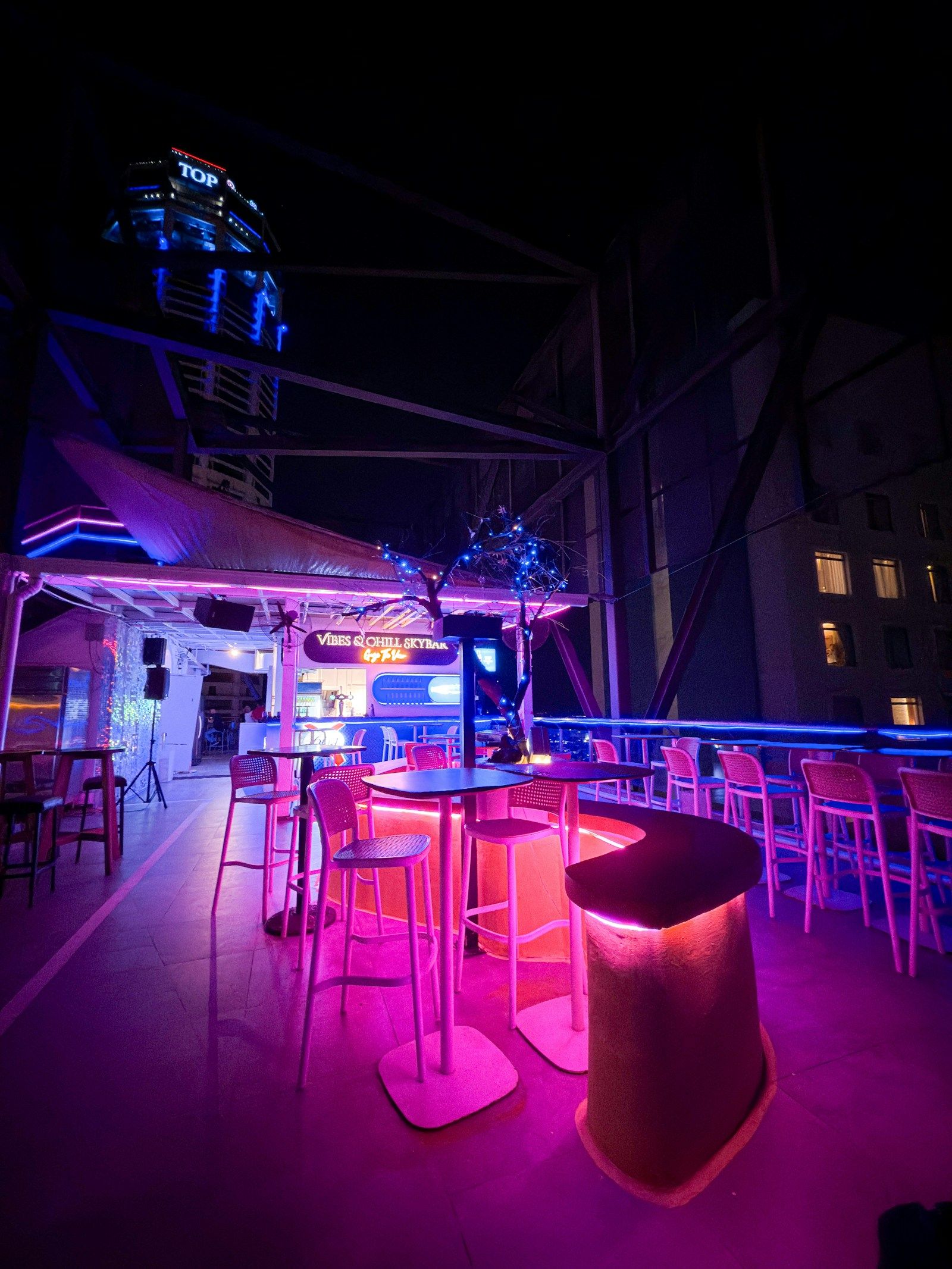
Photo by Ryan Liu on Unsplash by Ryan Liu Unsplash License
How productions should prepare bar, club and nightclub locations for music videos, fashion, commercials and nightlife content.
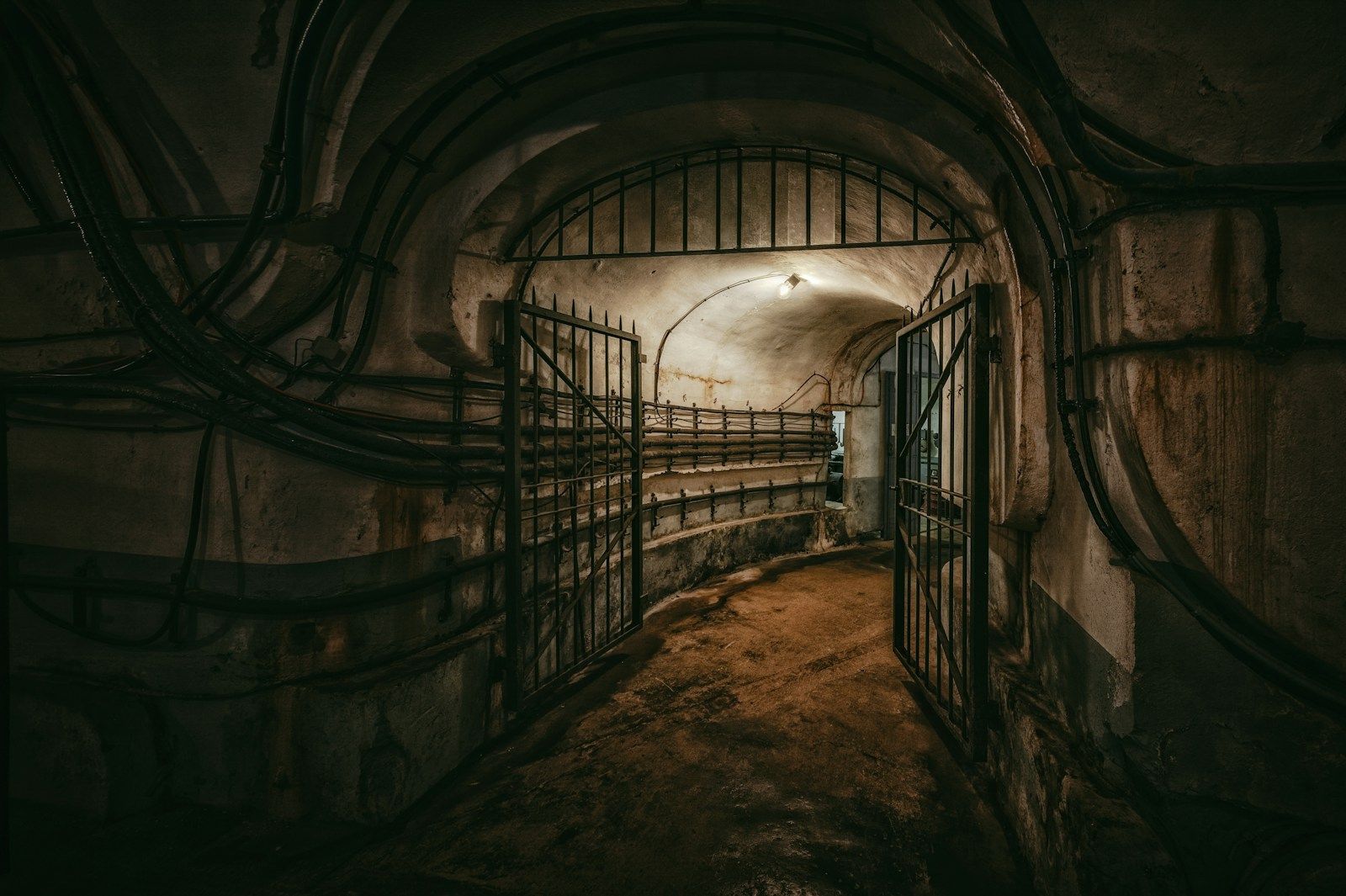
Photo by Peter Herrmann on Unsplash by Peter Herrmann Unsplash License
How productions should assess bunker, lost-place and special-motif locations without creating legal or safety risk.
