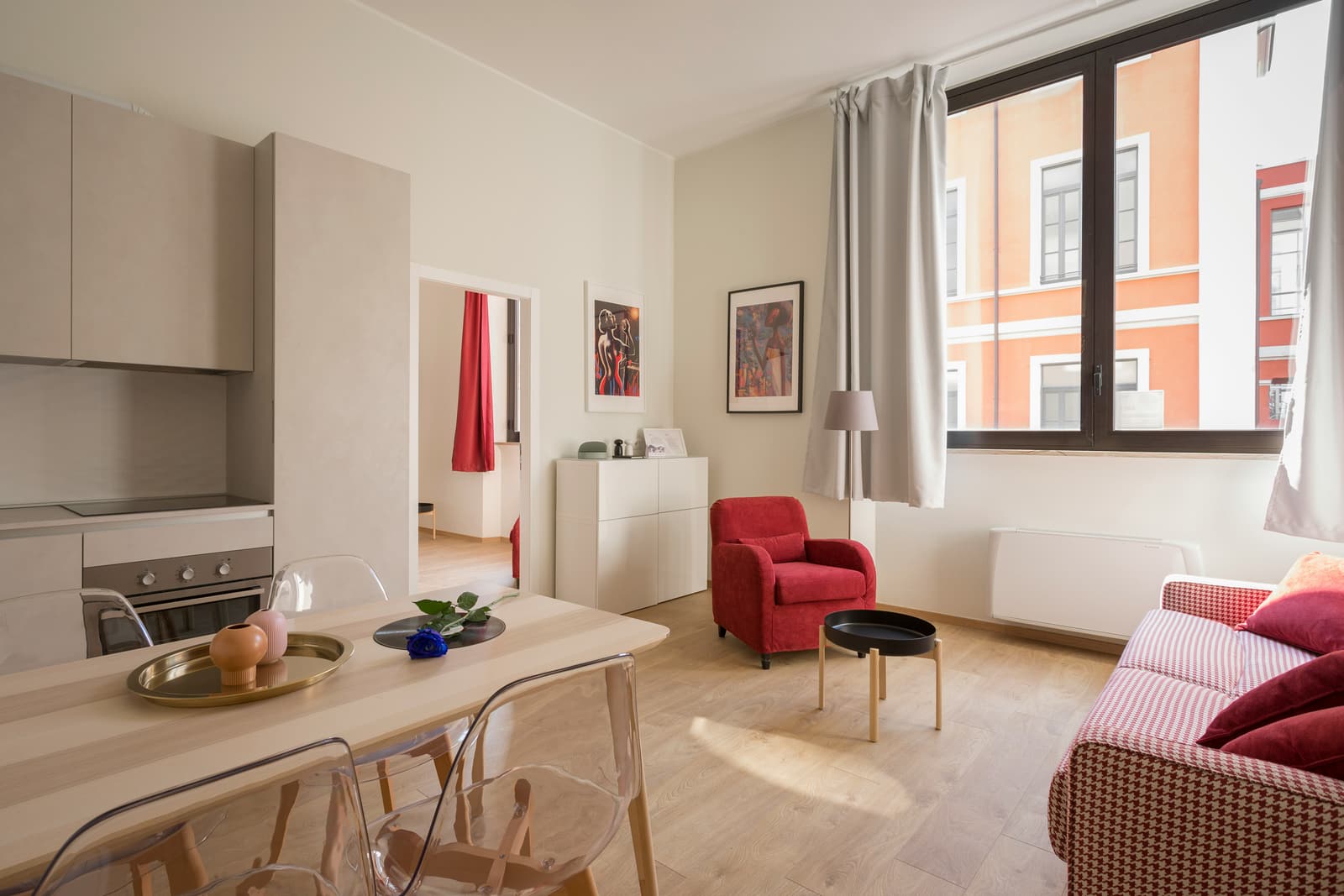
Apartment interior by deborah cortelazzi / Unsplash Unsplash License
An apartment can be a strong filming location, but it is tighter, more private and more dependent on neighbors than many houses. This checklist helps hosts clarify consent, building rules, privacy, protection and reset before accepting a shoot.
Renting out an apartment as a film location can work well, but it leaves less room for mistakes than a detached house. The shoot sits close to neighbors, private belongings, corridors, lifts and shared parts of the building.
The key check is not only whether the apartment looks good. It is whether the production can arrive, shoot, pause, protect the space and reset everything without disrupting daily life or the building.
This checklist is not legal, tax or data-protection advice. It helps owners, tenants and property managers identify the right questions before approving a shoot.
Apartments are useful when a production needs intimacy, everyday life, privacy or believable domestic texture. Interviews, social content, commercials, editorials, photo shoots, small scripted scenes and product imagery can work well in an apartment.
They become harder for large crews, loud equipment, long night shoots, many vehicles, bulky gear, pyrotechnics, stunts, major redressing or scenes that need the corridor, stairwell and street as part of the location.
For private locations, the Berlin Brandenburg Film Commission says filming requires approval from the authorized party (BBFC). In an apartment, that authorized-party question is the first practical check: owner, tenant, landlord, building management or owners’ association may matter depending on the situation.
Do not accept an inquiry if the consent chain is unclear. Confirm at least who can approve the apartment, whether common areas may be used, and whether house rules, quiet hours, lift rules or restrictions on commercial use apply.
Stairwell, lift, courtyard, basement, bin room, bike room, garage, entrance and mailboxes rarely belong only to you. Productions may still need those routes for arrival, load-in, catering, lighting, cables, cast and breaks.
Describe honestly what is possible: floor, lift dimensions, stair width, door width, loading zone, parking, corridor access, courtyard access and restricted areas. A beautiful fifth-floor apartment with no lift can still work, but not for every production.
In an apartment, the host and production share the tolerance of the building. Footsteps in the stairwell, doors, voices, rolling cases, light outside windows, parked vehicles and repeated doorbell use can become visible before the filming itself does.
Notify neighbors yourself only when that fits the building and does not conflict with contractual or privacy concerns. What matters most is that the production states timing, crew size, deliveries, noise sources and an on-site contact before approval.
The European Commission describes personal data as information relating to an identified or identifiable person (European Commission). In an apartment, that can appear everywhere: photos, mail, doorbell names, invoices, screens, children’s drawings, medication packs or calendars.
Before the shoot, remove anything that should not be filmed or seen by people you do not know. This includes working areas outside the frame, because crew, clients and service providers move through more than the camera view.
Apartments often have less fallback space than houses. Protection needs to be discussed early: floor covering, felt pads, blankets, cardboard, tape rules, shoe rules, food areas, set-down areas and furniture that is off limits.
If furniture may be moved, art taken down, curtains used, rugs rolled or shelves adjusted, put that in the agreement. If not, say that as clearly. A clean no is better than a conflict on set.
For location submissions, the California Film Commission recommends wide shots from several angles and clear images of interior and exterior areas (California Film Commission). For apartments, that means showing planning information, not only atmosphere.
Photograph the living room, kitchen, bathroom, bedrooms only where approved, corridor, window sides, ceilings, floors, entrances, stairwell, lift, courtyard, parking and constraints. Blurred detail shots help less than honest room views.
Reset decides whether an apartment can function as a location long term. Before the shoot, document condition, furniture positions, protection material, forbidden areas, cleaning scope and handover time.
Take before photos, note sensitive spots and plan a joint return check. Floors, walls, doors, kitchen, bathroom, textiles, plants, stairwell and lift are especially important. Small damage should be raised immediately, not days later.
SetScout works best for apartments when your profile shows production conditions, not just attractive images. Include floor, lift, parking, available rooms, locked-off areas, maximum crew size, times, house rules and protection needs.
Start with list your location and cross-check the readiness guide for private houses as film locations. For rights and approval basics, use the location release form checklist.
Only if the consent chain is clear. As a tenant, check what your lease, landlord, building management, house rules and housemates allow before accepting an inquiry. Without reliable approval, declining is the safer choice.
It depends on the building, inquiry and local rules. In practice, timing, noise sources, deliveries, contact person and likely disruption should be clear before approval. If the building is sensitive, prefer smaller inquiries.
Remove personal material from shooting and working areas: photos, mail, documents, calendars, name plates, screens, medication, keys and private objects. Lock rooms that nobody should enter and document condition before the shoot.
More posts you might be interested in

Industrial interior location by Ümit Yıldırım / Unsplash Unsplash License
Searching film locations by motif works best when each category is briefed with look, era, rooms, logistics, rights and hidden constraints.
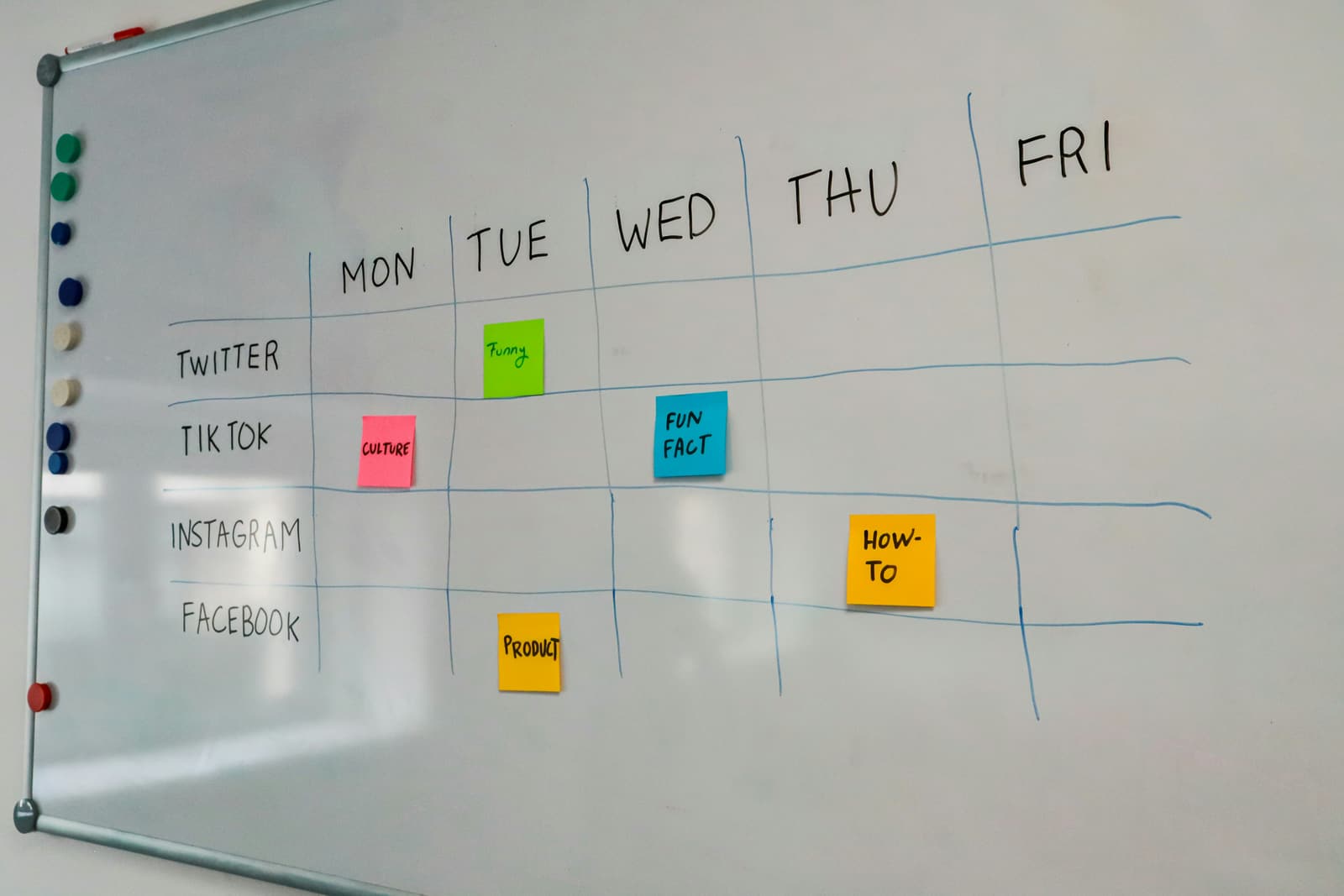
Production planning board by Walls.io / Unsplash Unsplash License
Production schedule templates, shot lists and storyboards help location planning only when they expose rooms, access, light, sound, permits and recce risks.
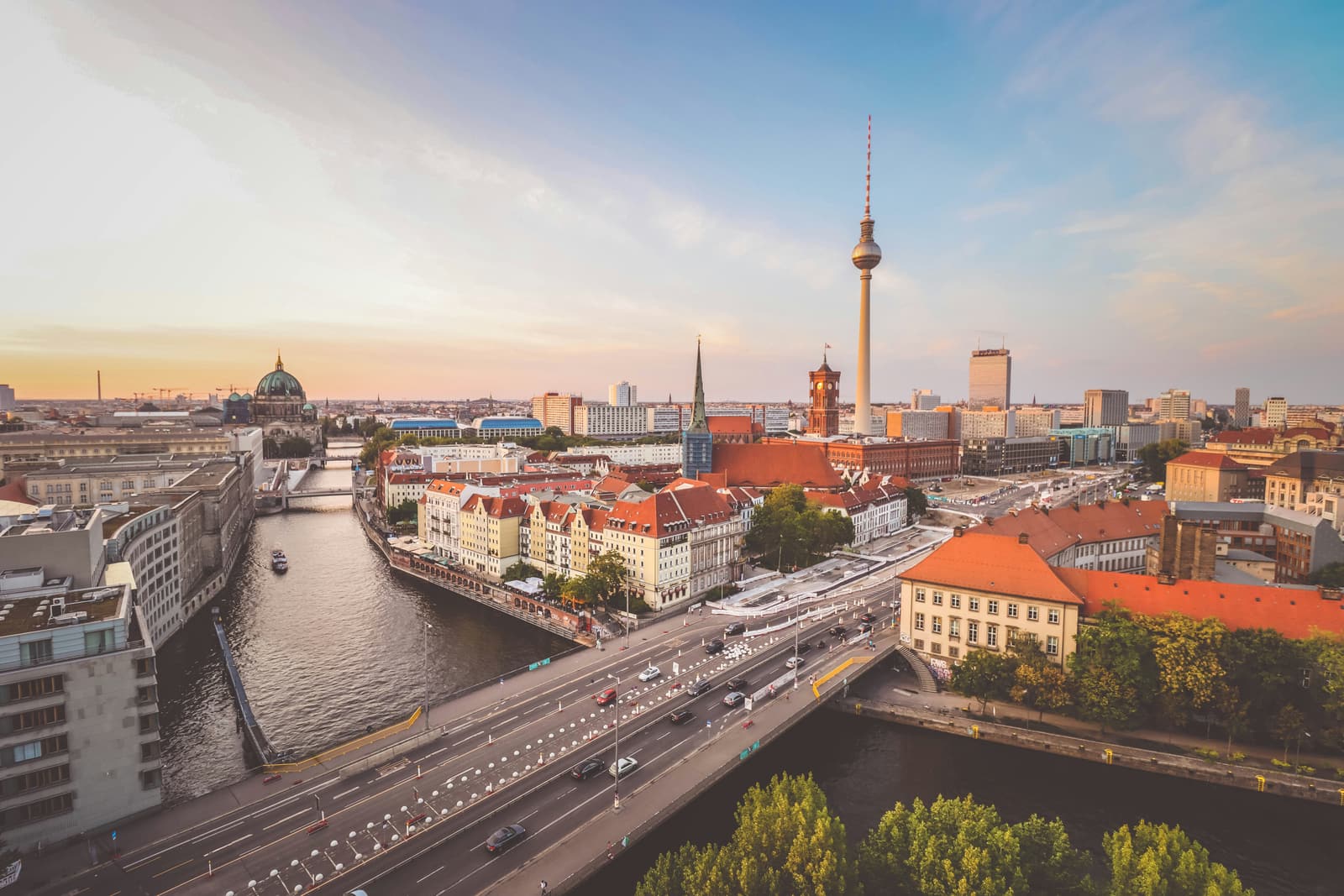
German city skyline by Florian Wehde / Unsplash Unsplash License
A practical comparison of Germany’s production hubs: Berlin, Hamburg, Cologne, Munich and Rhine-Ruhr by look, permits, crew base, transport, seasonality and private-location search.
