Photo by Matthieu Joannon on Unsplash by Matthieu Joannon Unsplash License
How producers and venue operators should prepare showroom, gallery and museum film locations before approving a shoot.
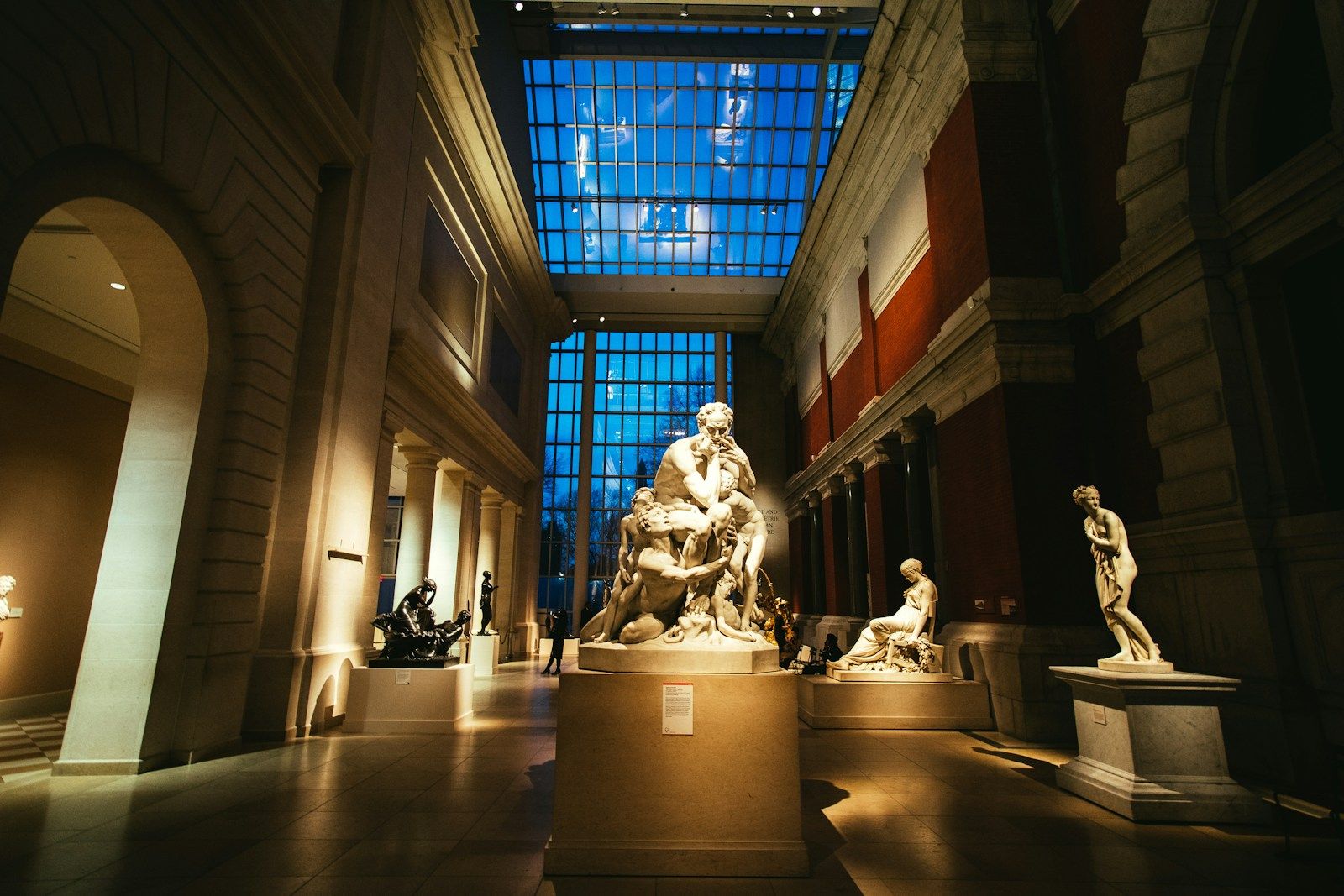
A showroom, gallery or museum can make a film location look expensive immediately: curated rooms, controlled light, polished surfaces and objects with real presence. That value also makes the location sensitive. Exhibits, brands, visitors, security routines, climate, floors, insurance and closure windows need to be cleared before the booking.
This guide is for producers, location scouts and venue operators who need to prepare a special film location request without turning the shoot into a rights problem. Related SetScout guides cover logos, brands and art in frame, retail locations and production-ready listings.
For showrooms, galleries and museums, visual fit is only one part of location suitability. The real question is whether the room can be used without creating risk for exhibits, brands, visitors, staff or the venue operation. A useful request describes the scene, usage, media channels, crew size, equipment, timing and every object that should stay visible.
The weak version is: We only need to film quickly between the works. For the venue, that sounds like loss of control. The stronger version is a clearance plan: which walls are in frame, which artworks are recognizable, which logos stay visible, which visitor areas are closed and who can approve changes on the day?
A room hire agreement does not automatically clear artworks, design objects, prototypes, branded furniture or loaned pieces. In Germany, the panorama freedom rule in Section 59 of the Copyright Act is usually not a simple answer for private interiors because it focuses on works permanently located at public roads, streets or places. Productions should check specific usage rights for curated interior spaces.
In practice, every visible work needs a decision. Can it appear sharp in frame? Only blurred in the background? Not at all? Does the clearance cover editorial content, social ads, TV, streaming, cinema, print and stills? Gallery and museum operators should define these limits before the shoot day, not while the crew is already set up.
Showrooms often contain exactly what commercial productions want visually: products, sample walls, illuminated logos, packaging, screens, vehicles, designer objects or unreleased collections. Those elements are not neutral decoration. They may involve trademarks, confidentiality, distributors, sponsors or client protection.
A fast pre-plan helps: mark critical brand surfaces on photos, number sensitive objects, cover or replace what cannot be shown, define permitted camera directions and name the person who can approve object movement. If goods or exhibits may be moved, the production needs clear rules for gloves, lifting, holding areas, reset and liability.
If visitors, employees, security staff or other people are recognizable in frame, this is not just a composition question. In Germany, publication of portraits is commonly assessed under the right to one’s own image in Section 22 of the KunstUrhG. Processing personal data also needs a legal basis under Article 6 GDPR. This is not legal advice, but it makes the planning question concrete: who may be recognizable, and for what use?
For controlled commercial and content shoots, the cleanest option is often a visitor-free window. If real visitors are part of the look, plan consent routes, visible notices, closed areas, movement paths and an alternative for people who do not want to be filmed. Staff should not become background talent by accident.
Galleries and museums run on opening hours, installation plans, guided tours, transport slots, private events, lenders and security routines. A shoot rarely fits neatly into one quiet hour. Closure windows need to be planned economically, operationally and with clear communication.
A useful request separates a short scene, partial closure, full dark day, night window and setup on the previous day. For showrooms, add a few questions: can client appointments happen at the same time? Are sales areas visible? Who informs staff, neighbors, reception, facility management and security?
In curated spaces, a small production mistake can become expensive quickly. Stands, dolly track, C-stands, cables, cases, haze, water, make-up, shoes, tape and catering matter as much as the camera. The venue should state which equipment is allowed and which protection measures are mandatory.
Common rules include distance from objects, no bags in exhibition areas, cable ramps, floor protection, felt under stands, no suction cups on glass, no tape on walls or floors, separate crew zones and proof of insurance. If an object moves, a registrar, curator or responsible venue lead should be present.
Museums and galleries control light to protect sensitive materials, not only to create atmosphere. Continuous light, flash, UV output, heat, haze and reflections may be restricted. Showrooms add another layer: a product area may need to look exactly like the retail concept intended.
Production and venue should ask more than whether power exists. Clarify permitted light types, maximum load, dimmer access, color temperature, reflective surfaces, cable routes and shutdown options. If existing lighting is part of the brand or exhibition design, decide whether it may be changed.
A strong request makes it easy for the venue to say yes or no. Include mood boards, intended frames, usage types, crew size, call times, setup duration, equipment list, object list, requested closed areas, people in frame, proof of insurance, reset plan and contact people for approvals on the day.
The same structure helps venue operators compare requests. A day-rate question alone understates the work. A request that separates exhibits, visitors, brands, paths, security and closure times gets a more reliable answer and reduces renegotiation later.
Before booking, clarify: which works and brands are visible? Who can approve them? What usage is planned? Are visitors or staff in frame? What closure window is needed? Which equipment can enter? Which floors, walls and objects need protection? Who supervises the shoot? What happens if the frame changes?
The best location is not the one with the most exhibits. It is the one with the clearest production logic. When look, rights, operations, safety and reset fit together, a curated room can deliver more value than a neutral studio space.
SetScout can structure the request for showrooms, galleries and museums before it reaches the venue operator. Describe not just the look, but visible objects, usage, crew, equipment, closure window and protection needs. That turns a vague location idea into a request an operator can actually evaluate.
If you are searching for curated rooms for film, photo or content production, start with a precise film location search on SetScout and keep rights, visitors and operations separate from the beginning.
Not automatically. Permission to use the room does not necessarily clear rights in individual artworks, loaned objects or design pieces. Decide in advance which works may be visible, which media the usage covers and whether additional approvals from artists, rights holders or lenders are needed.
Sometimes, but it is rarely the cleanest option. Opening hours bring visitors, staff, movement routes, noise, security routines and privacy questions. For controlled commercial or photo productions, a closed window, dark day or closed area is often more realistic than shooting during public operations.
Helpful details include a floor plan, photos of camera directions, marked brand and product surfaces, permitted equipment, maximum crew size, access, parking, power, loading routes, closure windows, insurance requirements and rules for moving objects. The more concrete the information, the faster a production can budget responsibly.
More posts you might be interested in
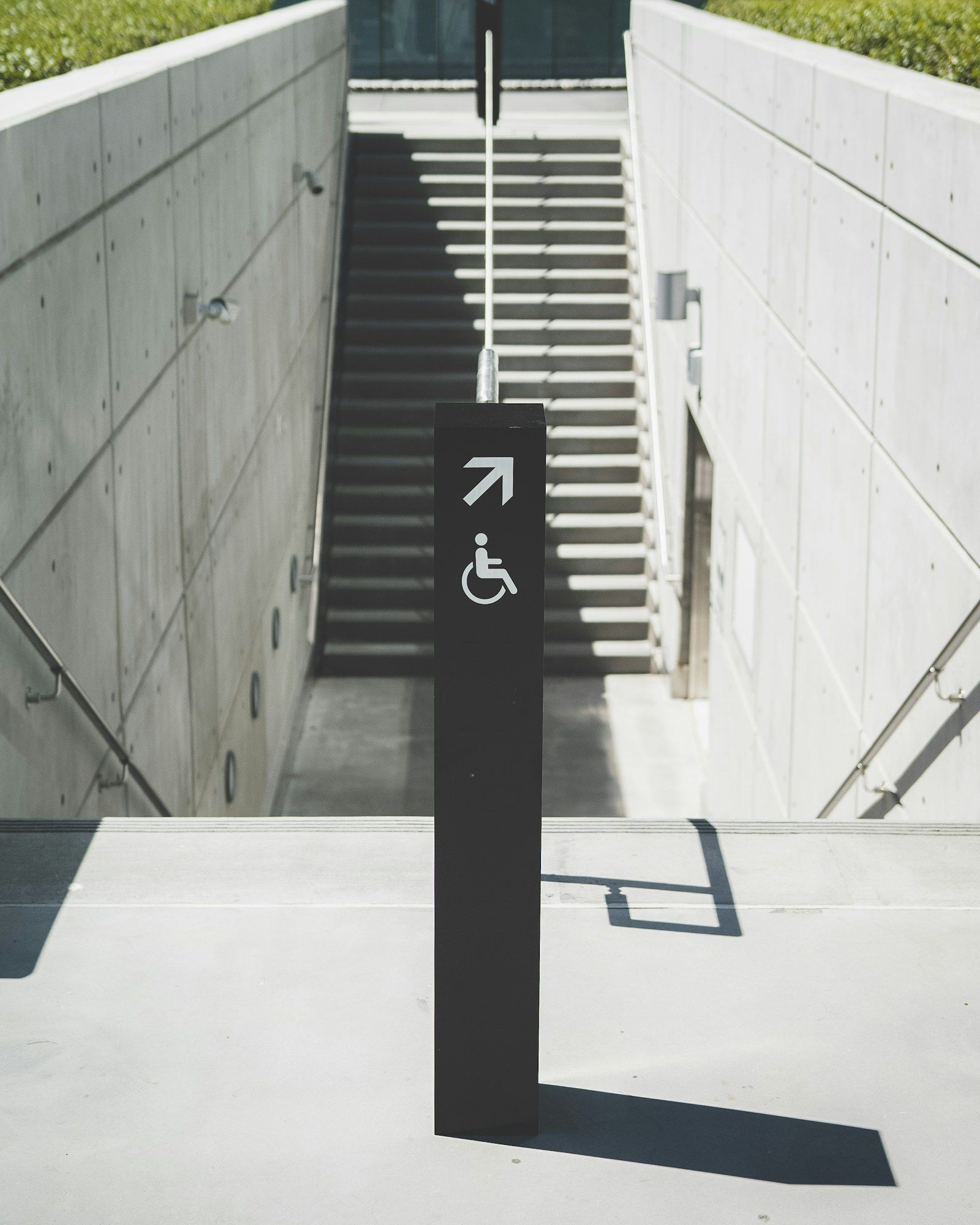
Photo by Joey Banks on Unsplash by Joey Banks Unsplash License
A practical access planning guide for productions and hosts documenting real routes, bathrooms, ramps, holding and limitations before booking.
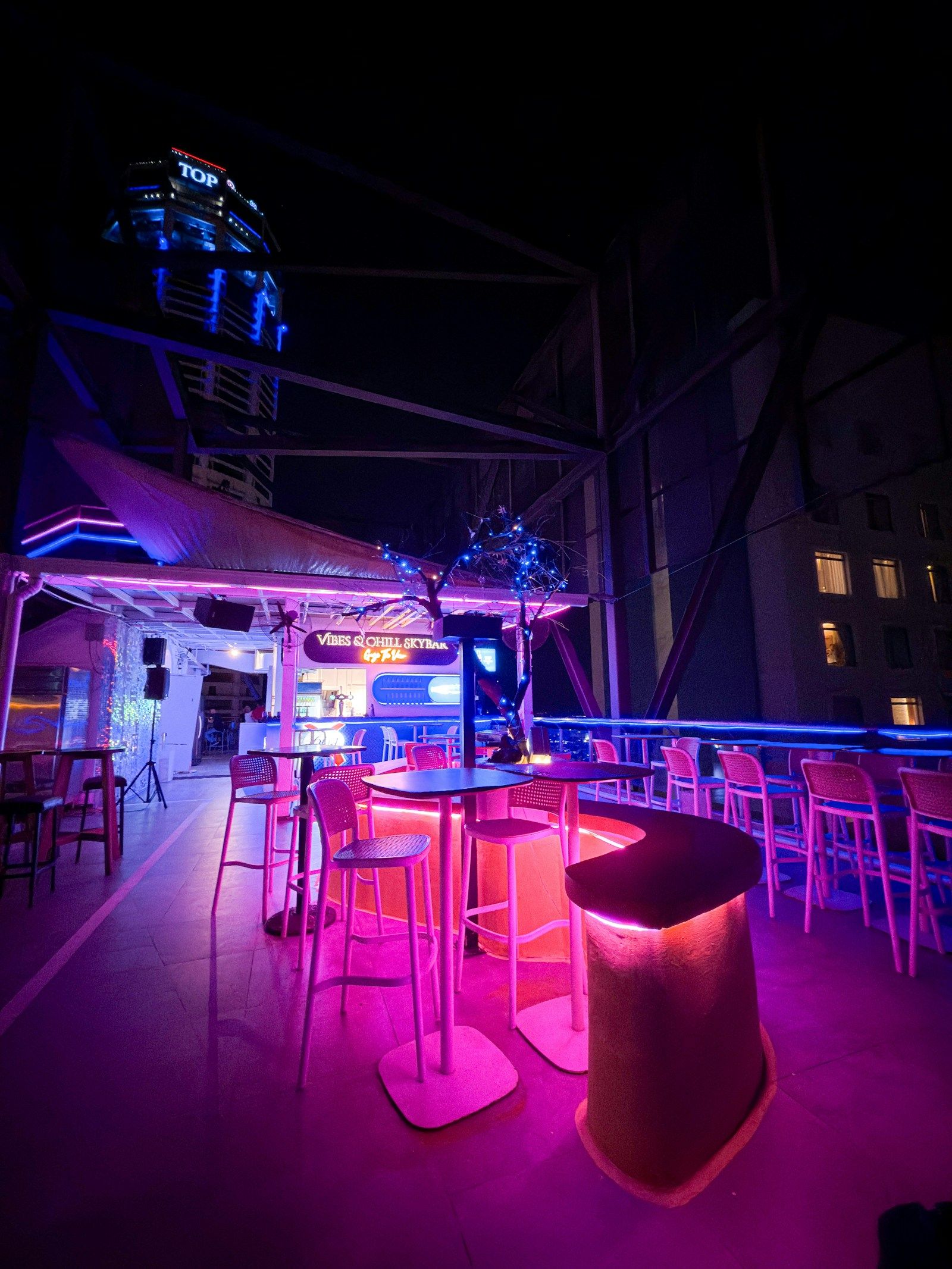
Photo by Ryan Liu on Unsplash by Ryan Liu Unsplash License
How productions should prepare bar, club and nightclub locations for music videos, fashion, commercials and nightlife content.
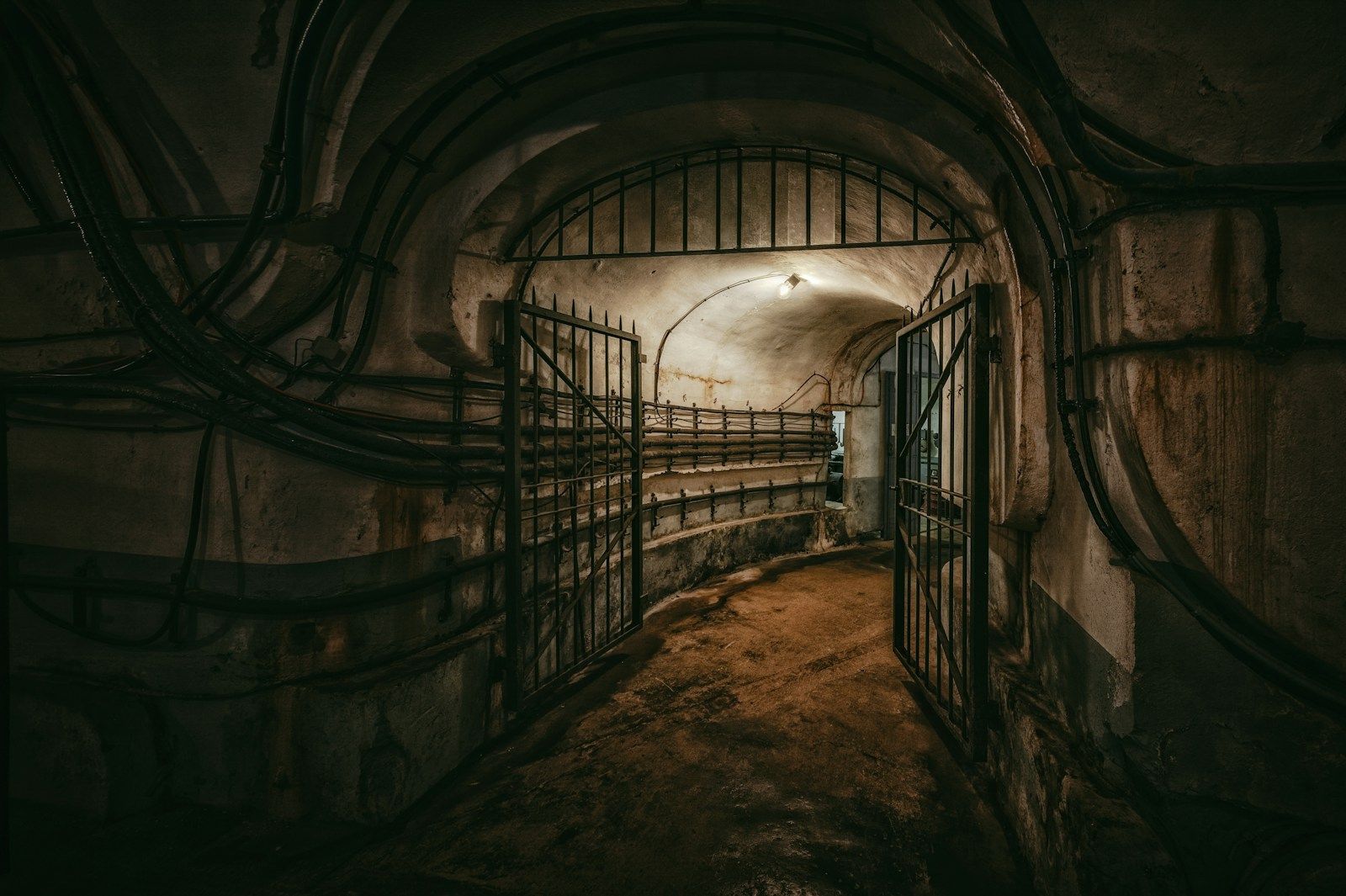
Photo by Peter Herrmann on Unsplash by Peter Herrmann Unsplash License
How productions should assess bunker, lost-place and special-motif locations without creating legal or safety risk.
