
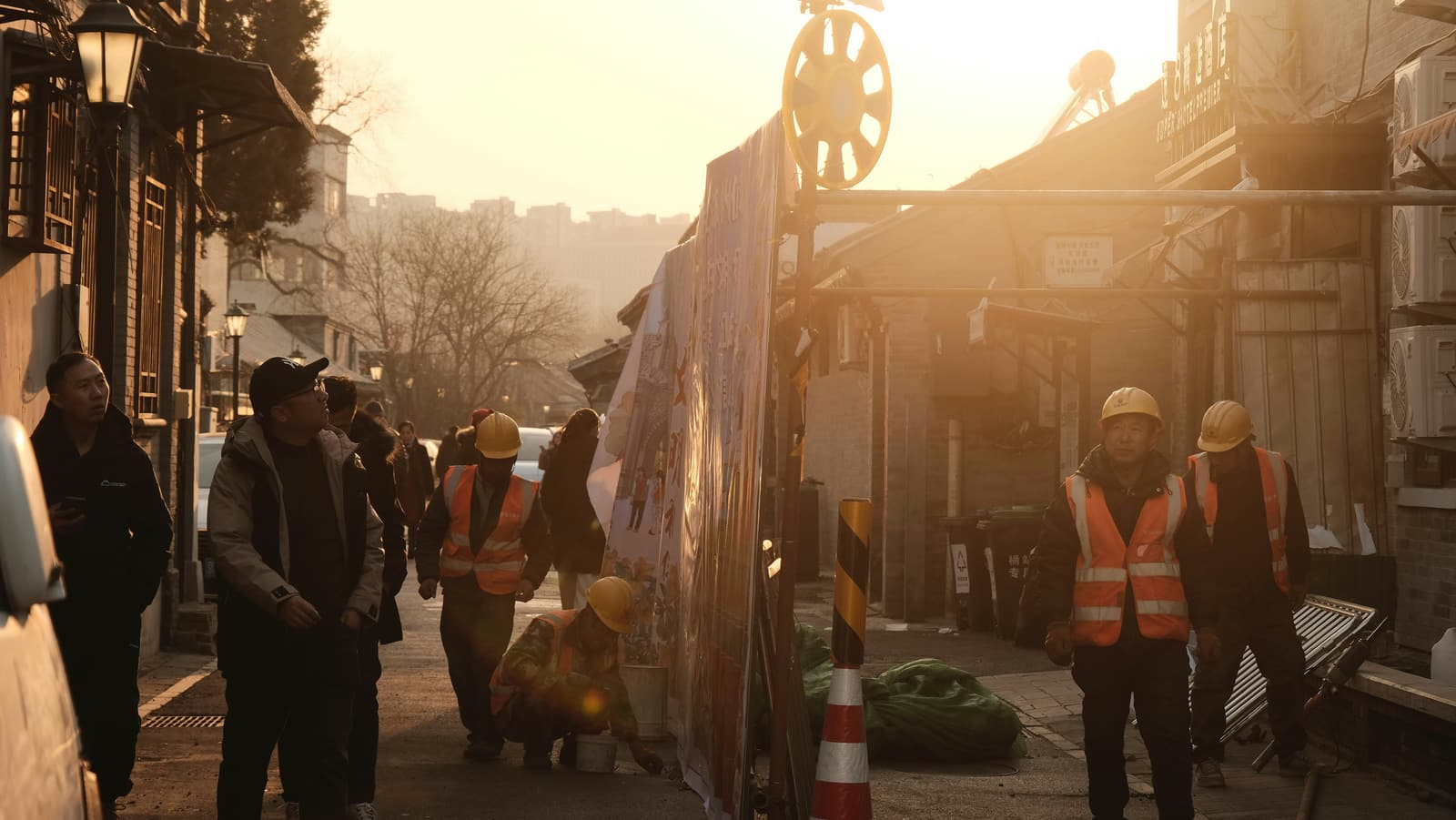
City production planning by Fangchen Ji / Unsplash Unsplash License
Film Commission, Location Scout or Marketplace: Which Search Path Fits Your Shoot?
Decision guide for producers choosing a film commission, location scout, marketplace or a combination for a specific location brief.
A film commission, a location scout, a database and a marketplace solve different parts of location search. They answer four questions: Where may I film? Who knows the region? Which motifs exist? Which location can I request directly?
As a rule of thumb, use a film commission for regional orientation and public-space questions, a scout for complex briefs and site work, and a marketplace for fast private or commercial options. International productions often need a combination.
Key Takeaways
- Film commissions are strongest for regional orientation, official contacts and public-space questions.
- Location scouts are worth it when the brief is hard or many details need to be checked on site.
- A marketplace fits when you want to compare and request private or commercial spaces quickly.
- A database listing is not a booking or filming release. Ownership, permission and feasibility remain separate checks.
The short decision: which path fits when?
If you want to film on public streets, squares, parks, authority sites or sensitive city areas, start with the film commission or the responsible authority. If you need a rare location, many practical checks or negotiation with owners and neighbors, hire a scout. If you need a house, apartment, loft, office, restaurant, hotel, warehouse, garden or specialty space quickly, start with a marketplace.
Productions often combine paths. If the brief is not decision-ready, start with the guide to finding a film location from brief to request. SetScout can then supply private options, the commission can guide exterior questions and a scout can lead the final recce.
What a film commission solves well
A film commission is the right entry point when you need to understand a region, find official contacts or check public filming conditions. German Film Commissions describes its network as regional location and production guides with free services, advice, authority contacts and support on location questions.
That is valuable for city locations, state-owned sites, monuments, traffic, closures, public buildings, parks, protected areas or larger productions with several official stakeholders. A commission will not solve every production task for you, but it can shorten the route to the right office.
Film Commission Bayern, for example, points productions to its film location database for Bavaria. Medienboard describes the Berlin-Brandenburg Film Commission as a first stop for teams in the capital region, with agency contacts for film permits and information on permit procedures.
Use a film commission when:
- you need to check public areas, city shots, streets, parks or authority locations.
- you need regional contacts, permit routes or local production connections.
- you are assessing a city or region and do not yet have a local scout.
What a location scout does better
A location scout is strong when the location does not only need to be found, but solved. Good scouts connect the brief, director, camera, art department, production and local reality: look, access, sound, light, owner, neighbors, cost, weather, alternatives and feasibility.
The Location Managers Guild describes location management as work that begins early in preparation and later protects the logistics of the location on set. That is the difference from a database: a scout can see why a location looks strong in photos but may fail on shoot day.
Scouts are especially useful for precise looks, locations outside databases, large crews, several regions or sensitive owners. A location recce checklist shows which technology, sound, light, access and neighbor questions an online match cannot answer.
Hire a scout when:
- the brief is very specific and simple database search creates too many false matches.
- you need local judgment, negotiation and practical site checks.
- the shoot is expensive enough that the wrong location costs more than scout time.
What a marketplace does better
A marketplace is strong when you want to compare available private or commercial spaces quickly. Instead of understanding a region in general, you are looking for concrete spaces: house, apartment, loft, office, restaurant, hotel, warehouse, garden or specialty location.
The advantage is structure: photos, description, host contact, price logic, availability or request flow sit closer together. That saves time when you have a clear brief and need to compare several options at once.
The limit is just as important. A marketplace does not replace a public permit or a scout for very complex locations. It is a commercial search and request layer. If the shoot involves public space, closures or difficult neighborhood work, you need additional coordination.
Start with a marketplace when:
- you want to compare private or commercial interiors quickly.
- you want photos, request, host response and terms in a more structured flow.
- you need several options before investing time in recce and permits.
What English search terms mean for a German production
International teams often search for “film location database,” “filming location Berlin” or “location scouting Germany.” Those terms are broader than German production vocabulary. “Movie location” can mean a famous screen landmark, while “filming location” more often means a real production site.
The first task is intent, not word-for-word translation. Do you need a bookable private space, an official permit route, a local scout, a famous film site or only a visual reference? The answer determines which channel belongs first.
A film location glossary from recce to buyout prevents common mistakes: private location does not mean permit-free, recce does not mean booking, and database listing does not mean filming release.
What an international brief should include
An English brief for German locations should state project type, usage, shoot date, city or region, crew size, vehicles, loading, sound, light, power, parking, set dressing, public-space impact, drone use, night work, insurance, release requirements and contact language. Moodboards alone are not enough.
Permits are the most common confusion
Many productions mix up location search and filming permission. They are separate questions. You can find a perfect location and still lack permission for camera, lights, vehicles, closures or public-space use.
Berlin makes the point clear: visitBerlin notes that even small journalistic film and photo teams on public streets in Berlin and Brandenburg may need a filming permit, and that district offices issue permits. For private interiors, owner consent is the central requirement.
First decide whether you are filming public, private or mixed spaces. Then use the city-by-city filming permit starting points and choose whether a commission, scout, marketplace or combination gives you the most reliable route.
Decision matrix for your location brief
Use this matrix as a first filter. It does not replace a conversation, but it keeps you from starting with the wrong channel.
- Public space, street scene, closure, city backdrop: film commission or authority first.
- Very specific look, difficult access, many unknowns: location scout first.
- Private interior, clear use, fast comparison: marketplace first.
- Large production with several location types: combine commission, scout and marketplace.
- Low-budget or short shoot: marketplace plus a very clear request, and authority check for public space.
Cost and speed differ a lot
Film commissions are often free public services, but they do not replace location fees, permit fees or production work. A scout charges a fee, but can prevent expensive wrong choices. A marketplace can speed up search, but the location still costs money and needs a clear request, agreement and insurance.
Speed differs too. A marketplace can produce a shortlist quickly. A scout can move fast with a strong network, but still needs access and site checks. A permit depends on city, place, scope and authority.
When to combine several paths
Combine paths when search, permission and risk split apart. Example: you need a private rooftop apartment overlooking a street, but you also want to control vehicles and pedestrians below. A marketplace can find the apartment, the scout can check feasibility and the responsible authority can approve the public-space part.
Another example: a series needs several locations in Bavaria, some public and some private. The film commission can help with regional orientation, the scout can build the location world, and marketplaces can support private interiors or last-minute alternatives.
Where SetScout fits into the decision
SetScout sits in the marketplace and search layer. You can compare locations visually, shortlist private and commercial spaces, and prepare concrete requests. That is useful when you need to turn a brief into several real options quickly.
SetScout does not replace the responsible permit authority, and it does not replace a scout when a shoot needs local negotiation, closures, complex safety or intensive site work. The honest use is to structure search and requests earlier, then connect with a commission or scout when needed.
FAQ
Does a film commission replace a location scout?
No. A film commission helps with regional orientation, databases, contacts and permit routes. A scout works on the project, checks locations practically, negotiates details and often carries feasibility into the recce or shoot.
Can I work only through a marketplace?
Yes, if you need private or commercial spaces and the shoot is simple. Once public space, closures, special risks or complex ownership are involved, you need additional checks.
When is a location scout worth it despite a platform?
When the brief is very specific, the production is expensive, many departments are involved or local negotiation is needed. A platform can shorten search, but it does not replace on-site responsibility.
Who handles filming permits?
It depends on the place. Public areas are usually handled by authorities or districts. Film commissions can provide orientation and contacts. Private spaces need owner consent and a clean agreement.
Recommended articles
More posts you might be interested in

none by Jakub Zerdzicki All photos and videos on Pexels can be downloaded and used for free.
Tax rules for income from renting out a film location
How to report profits from renting out your location correctly for German tax purposes
Inventorying film equipment before a location shoot by OpenAI image generation for SetScout Original image generated for SetScout; no third-party source image used
Film Equipment Insurance: Documenting Owned and Rented Gear
A practical checklist for cameras, lighting, sound and rented film equipment: confirm inventory, values, transport, storage and claims procedures before the shoot.

Film insurance for a production at a prepared location by OpenAI image generation for SetScout Original image generated for SetScout; no third-party source image used
Film Insurance for Productions: Coverage, Costs and Location Risks
Which insurance modules a film production should review, which details affect the premium and how to include locations properly in the risk assessment.