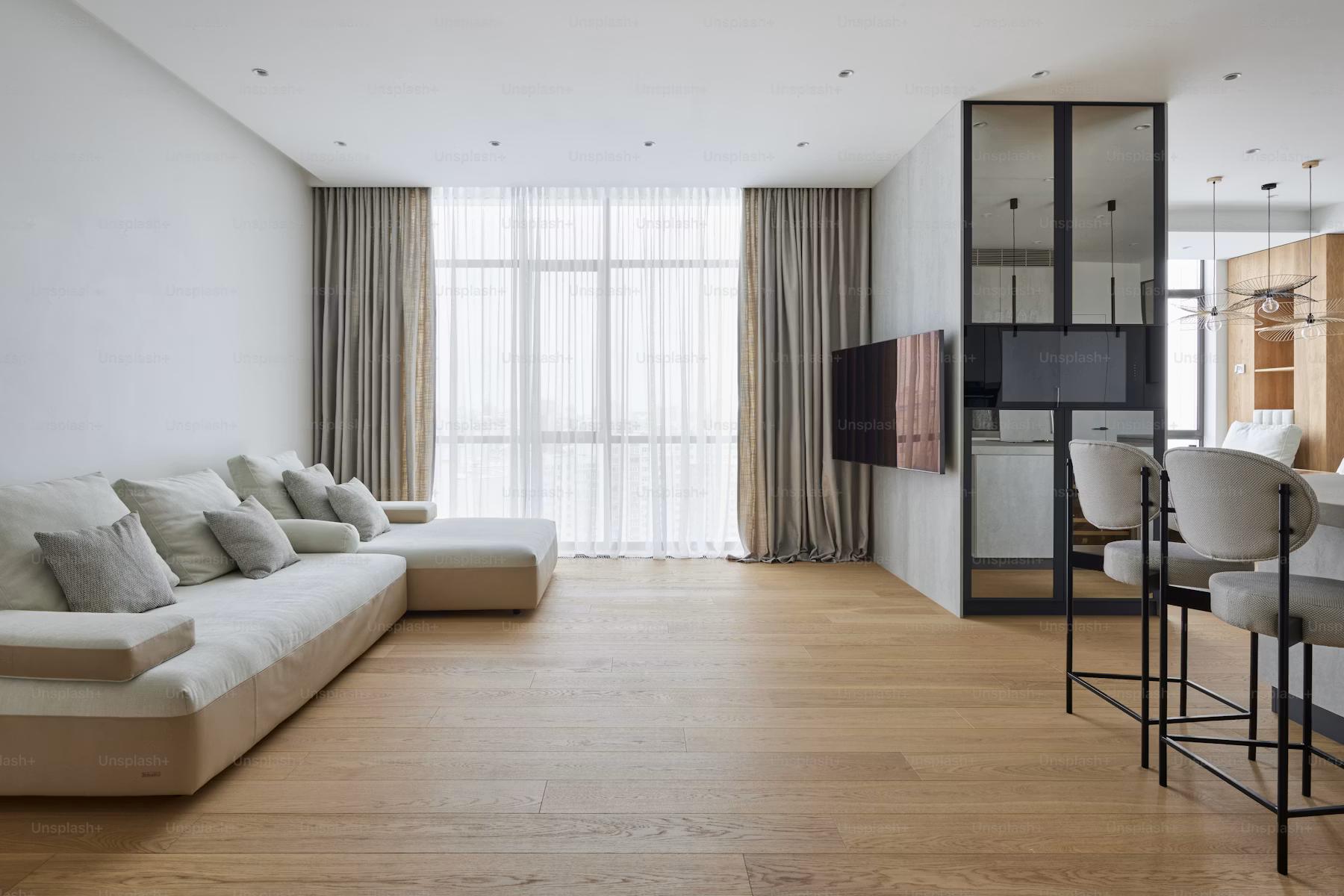
Living room filled with furniture and a flat screen tv by Yevhenii Deshko Unsplash License
An apartment can make a strong filming location, but it is also sensitive. This guide shows hosts what to clarify before listing: consent, building rules, neighbors, privacy, protection, restoration and request review.
Renting out an apartment for filming is not the same as offering a house or studio. It is more private, more confined, more dependent on neighbors and often more legally complex. SetScout already has a checklist for apartments as filming locations; this article takes a closer look at the points that really matter before you publish your first listing.
If you own the apartment, check the building rules, condominium association rules, common areas, elevator, stairwell, courtyard and any restrictions on commercial use. If you rent, you will generally need reliable consent in advance. A production cannot plan properly if it only finds out after making an inquiry whether the landlord, property manager or owners' association permits the shoot at all.
The critical areas are not limited to the rooms inside your apartment. The route to them also matters: the building entrance, doorbell, hallway, stairwell, elevator, basement, courtyard, loading zone and waste area. If the production will use these spaces, you need clear permission or must plan the shoot so they are barely affected.
An apartment can be perfect on camera and still be unsuitable if sound, elevator access, parking or quiet hours cannot be controlled. Before listing, note the building's quiet hours, how easily sound travels through the rooms, whether deliveries are possible, whether equipment may be kept in the hallway and which neighbors need particular consideration.
Your SetScout listing should specify crew size, permitted hours, stairwell rules, noise limits and off-limits areas. Phrases such as “small crews preferred,” “no loud night shoots,” “no equipment in the stairwell” or “elevator use by arrangement only” are not a weakness. They prevent unsuitable inquiries.
Before taking listing photos and before the shoot, remove personal documents, family photos, screens, nameplates, medicine cabinets, children's rooms, license plates and confidential items, or mark them as off-limits. SetScout does not publish the exact address openly in the public listing; even so, listing photos and subsequent production material remain sensitive surfaces. Show only what you are genuinely allowed and willing to show.
Small apartments come under pressure quickly: furniture is moved, floors are protected, cables cross walkways, and more people use the kitchen and bathroom than usual. Document the original condition with photos, specify what may be moved, who will inspect the restoration and when the apartment must be ready for private use again.
A non-binding booking inquiry on SetScout gives you the opportunity to review the project, date, crew size, alterations, animals, intended use and offered price. Use this phase. If the restoration plan, insurance, location agreement or protection rules do not work for you, a clear refusal is better than a later escalation.
You may also find the articles on private locations and public sidewalks and location agreements and insurance helpful. Once consent, neighbors and restoration are settled, you can list your apartment as a location for free.
An apartment can look perfect on camera and still be legally or practically unsuitable. For rented apartments, the landlord's consent, lease and building rules should be checked. Owners also need to consider condominium association rules, the stairwell, elevator, courtyard, basement, facade and quiet hours because these areas are not automatically available for unrestricted use.
SetScout does not treat a host location like a casual classified ad. The listing asks for the category, tags, address, basic details, amenities, photos, areas, rules, price, cancellation policy, booking lead time and availability in a structured format. This lets productions see not only the look, but also the production conditions.
An inquiry is initially non-binding. It includes the project, requested period, a price offer and a short brief about the intended use. Hosts review the inquiry in their inbox and can accept it, decline it or send a counteroffer with a different amount.
After acceptance, the production decides whether to book directly or arrange a location visit first. If needed, the final price agreement, location agreement and insurance review follow; payment is made through Stripe Checkout, and the host is paid in two installments in euros.
Before accepting an inquiry, go through the hard production requirements in writing. This keeps a beautiful location from failing on shoot day because of access, neighbors, insufficient protection or unclear responsibilities.
More posts you might be interested in

none by Jakub Zerdzicki All photos and videos on Pexels can be downloaded and used for free.
How to report profits from renting out your location correctly for German tax purposes
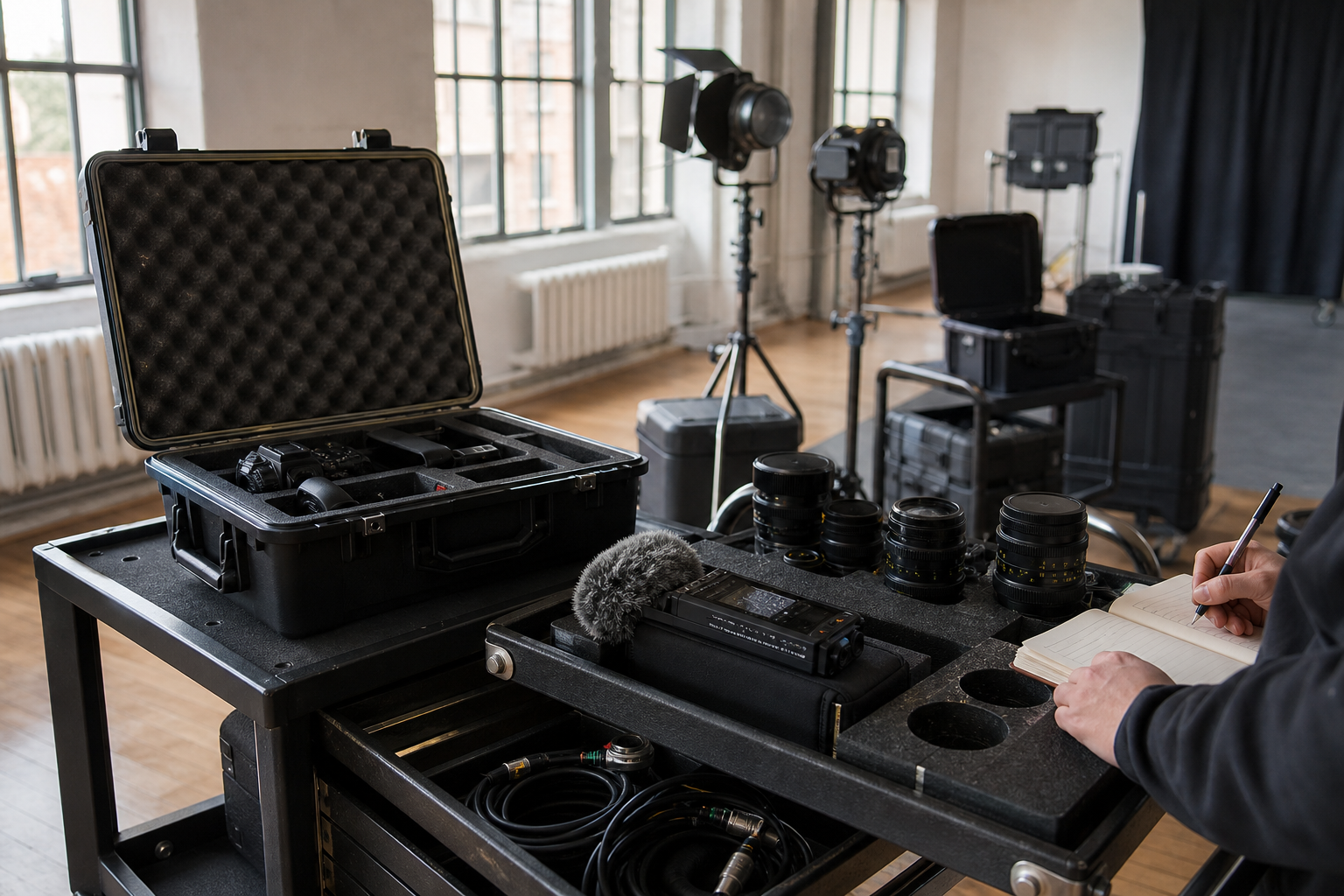
Inventorying film equipment before a location shoot
A practical checklist for cameras, lighting, sound and rented film equipment: confirm inventory, values, transport, storage and claims procedures before the shoot.

Film insurance for a production at a prepared location by OpenAI image generation for SetScout Original image generated for SetScout; no third-party source image used
Which insurance modules a film production should review, which details affect the premium and how to include locations properly in the risk assessment.
SetScout is funded through the EXIST program by the Federal Ministry for Economic Affairs and Energy and the European Social Fund Plus (ESF Plus).